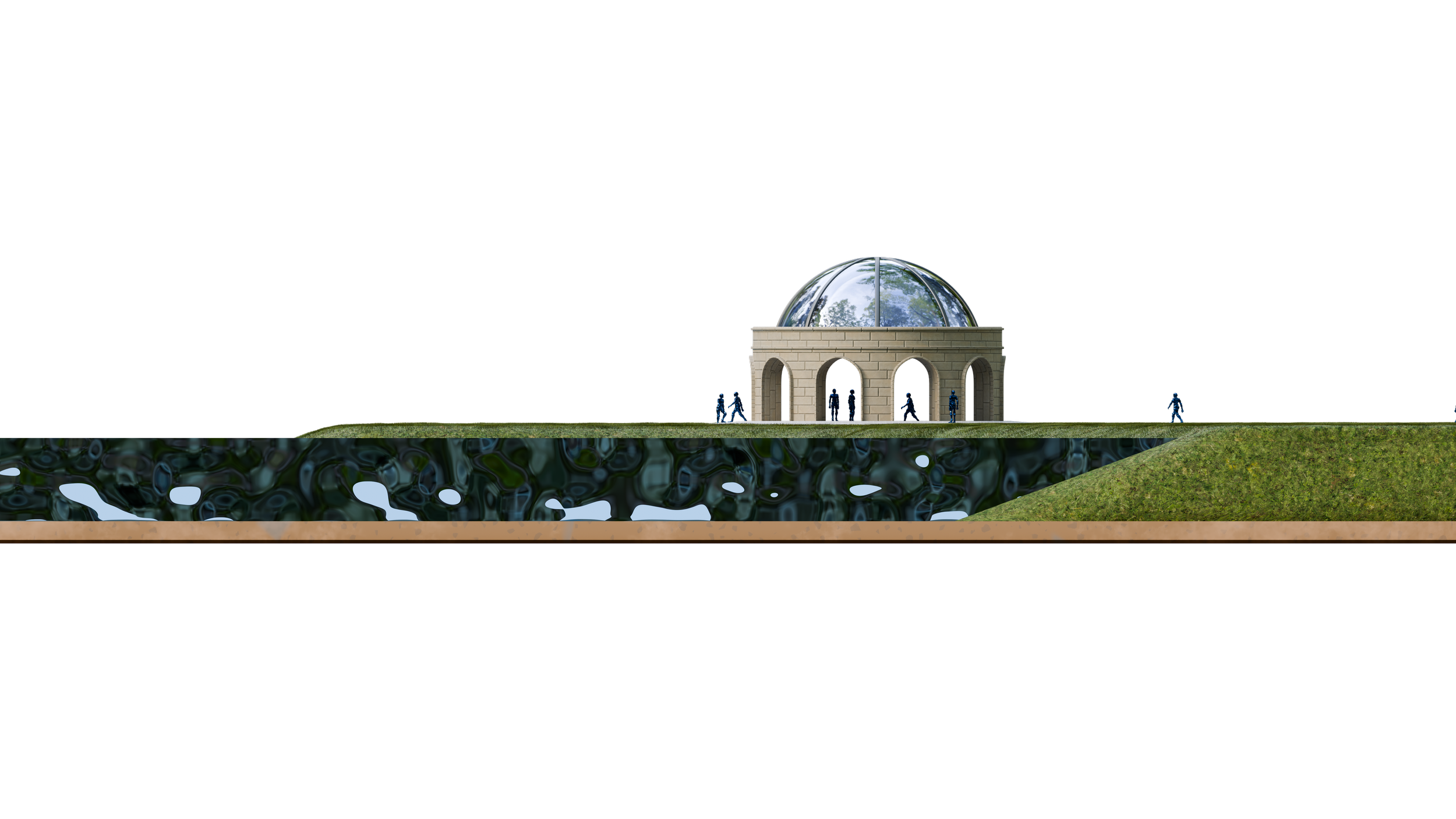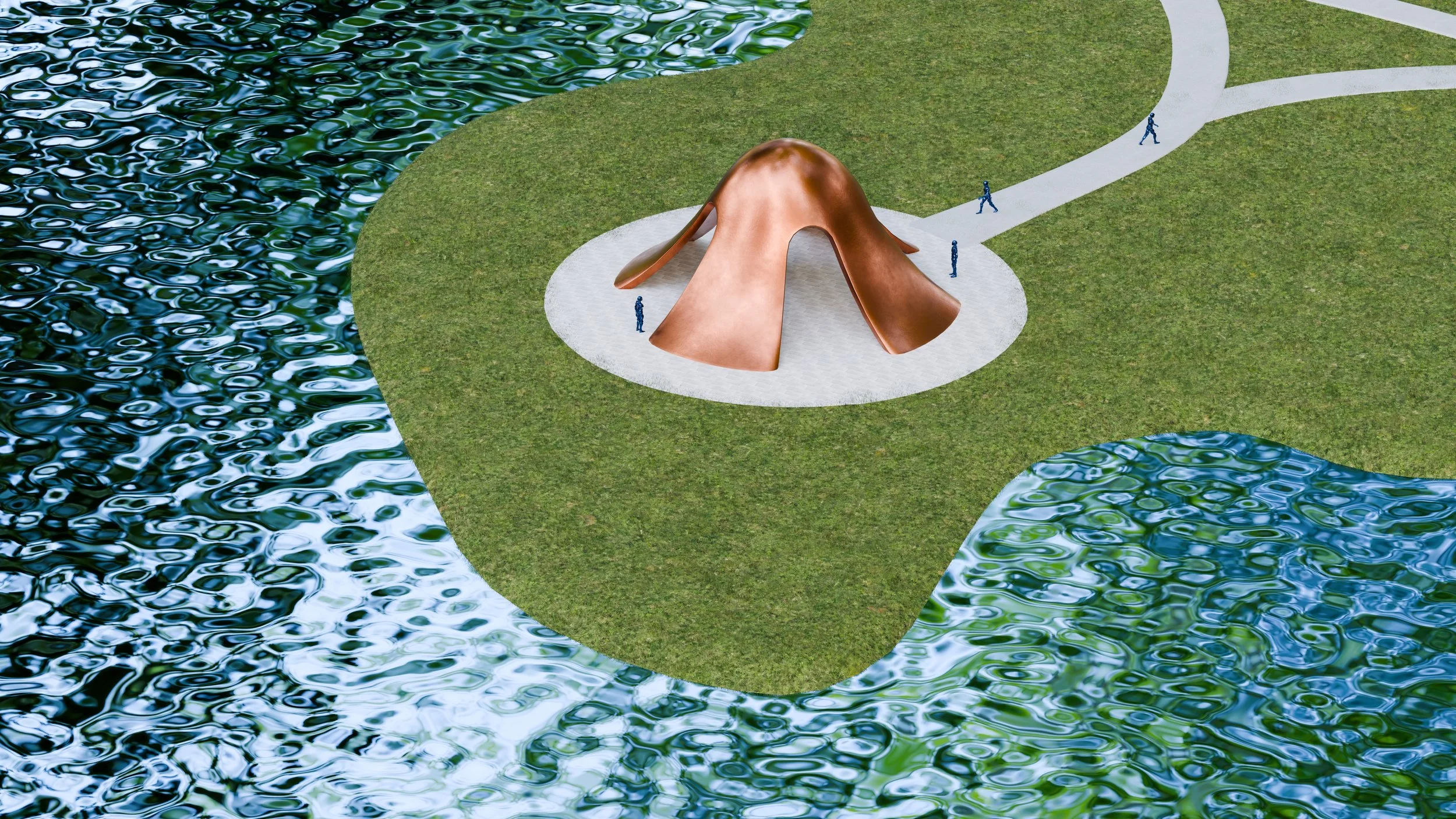
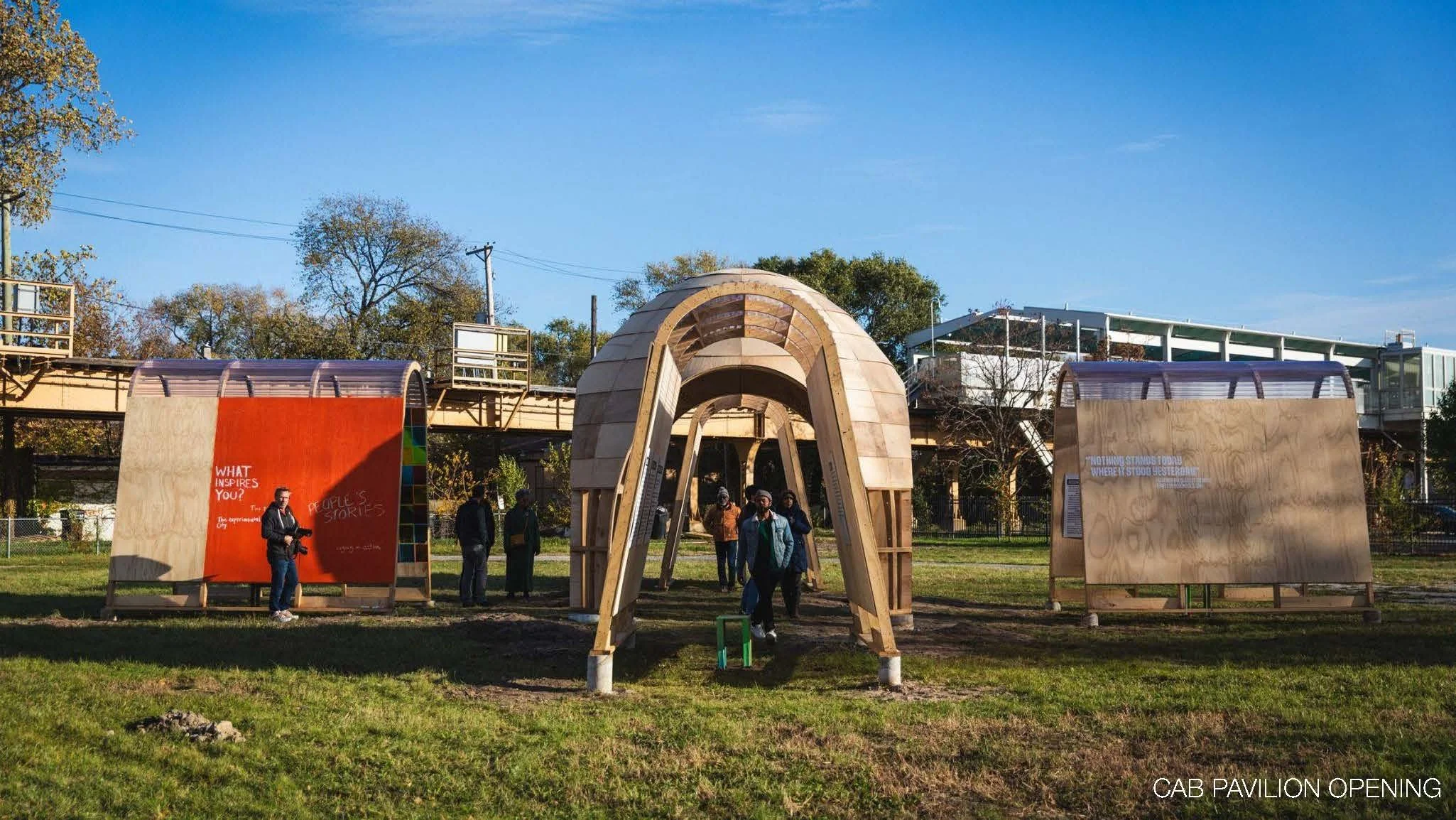
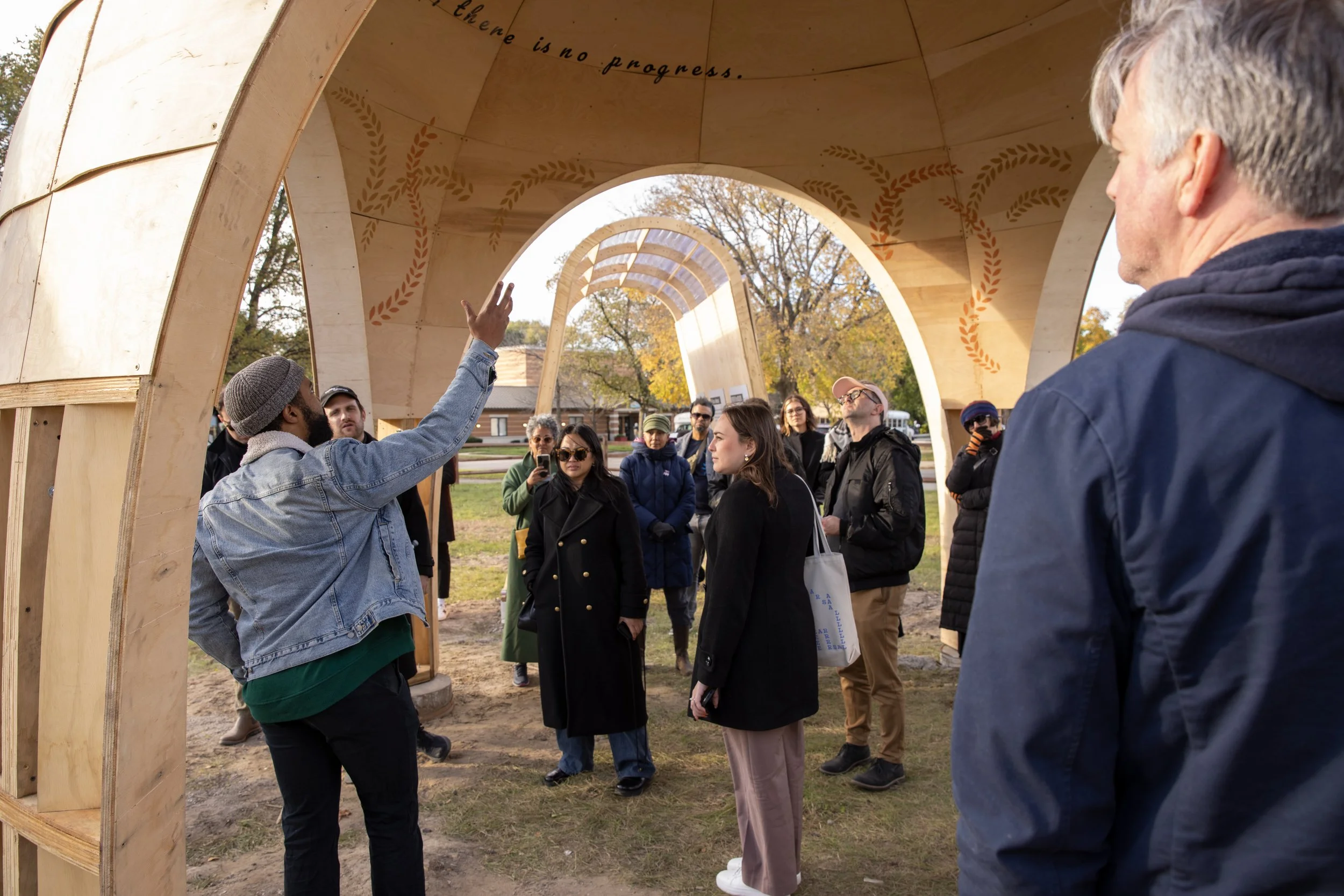
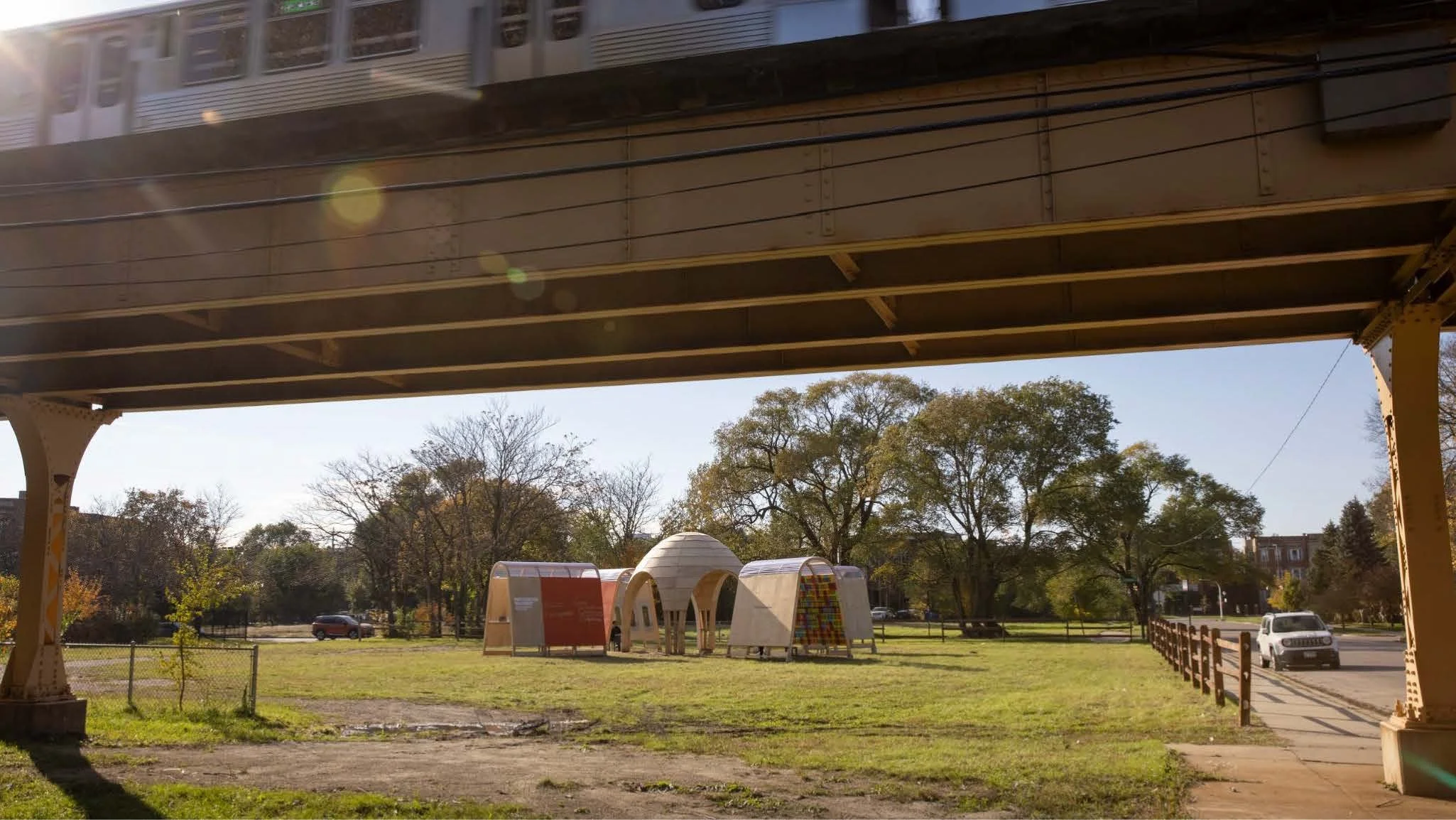
The interior dome of the pavilion is clad with treated plywood to conceal and further support the pavilion's framed structure. The calling is emblazoned with the artwork of muralist Dorian Sylvain. The work visually represents the Douglass's contributions while alluding to the ceiling illuminations in the Sistine Chapel.
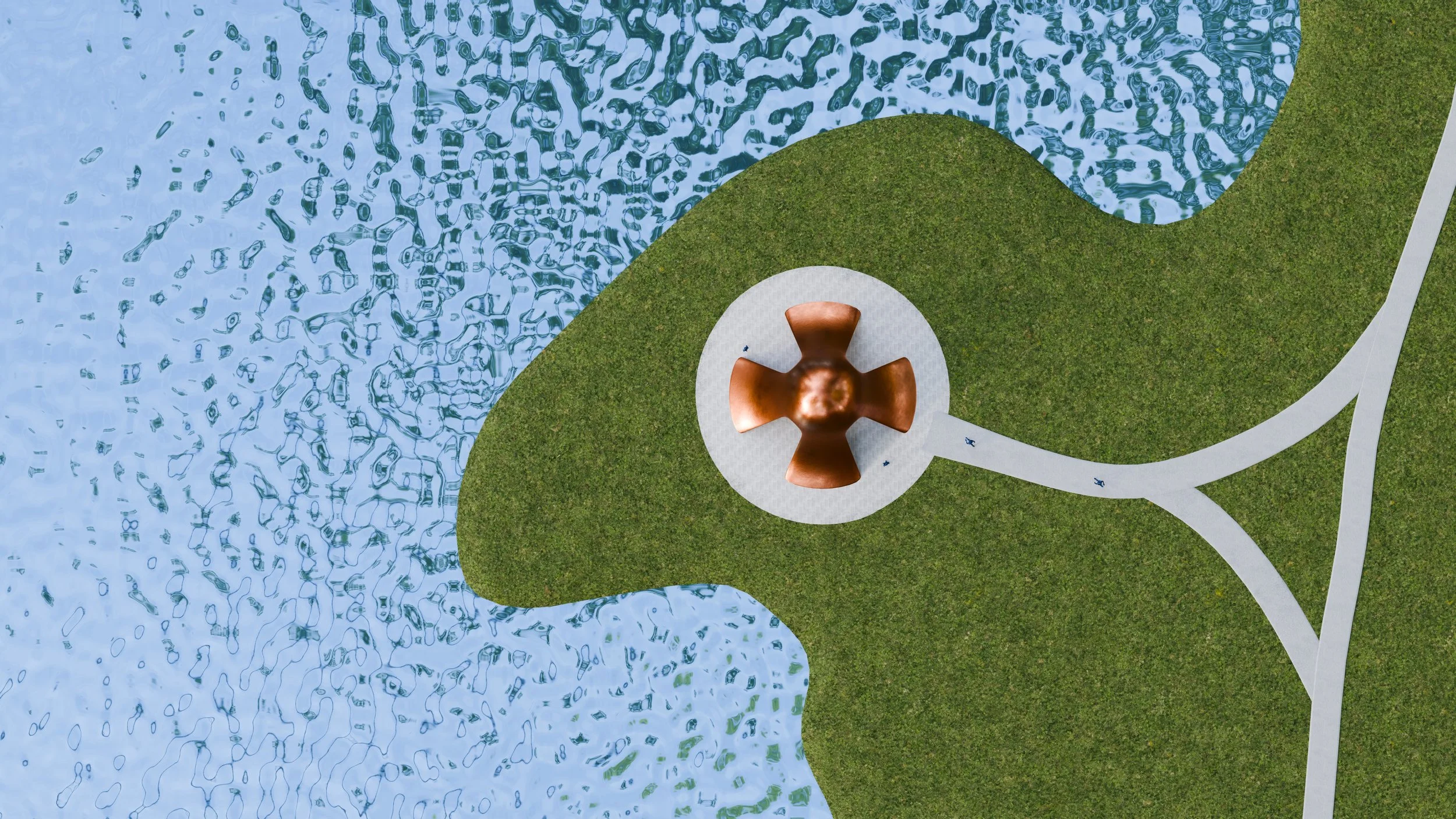
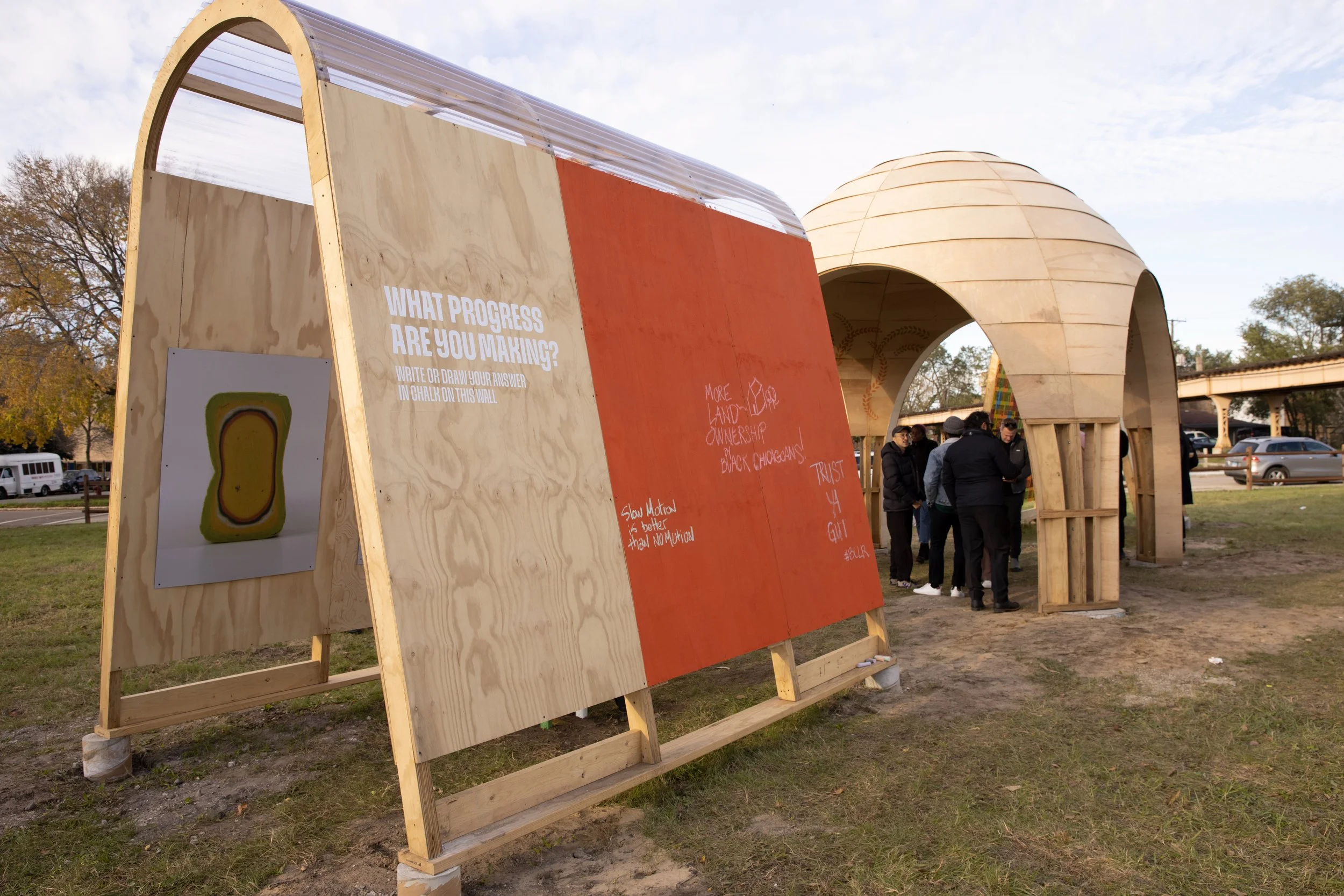
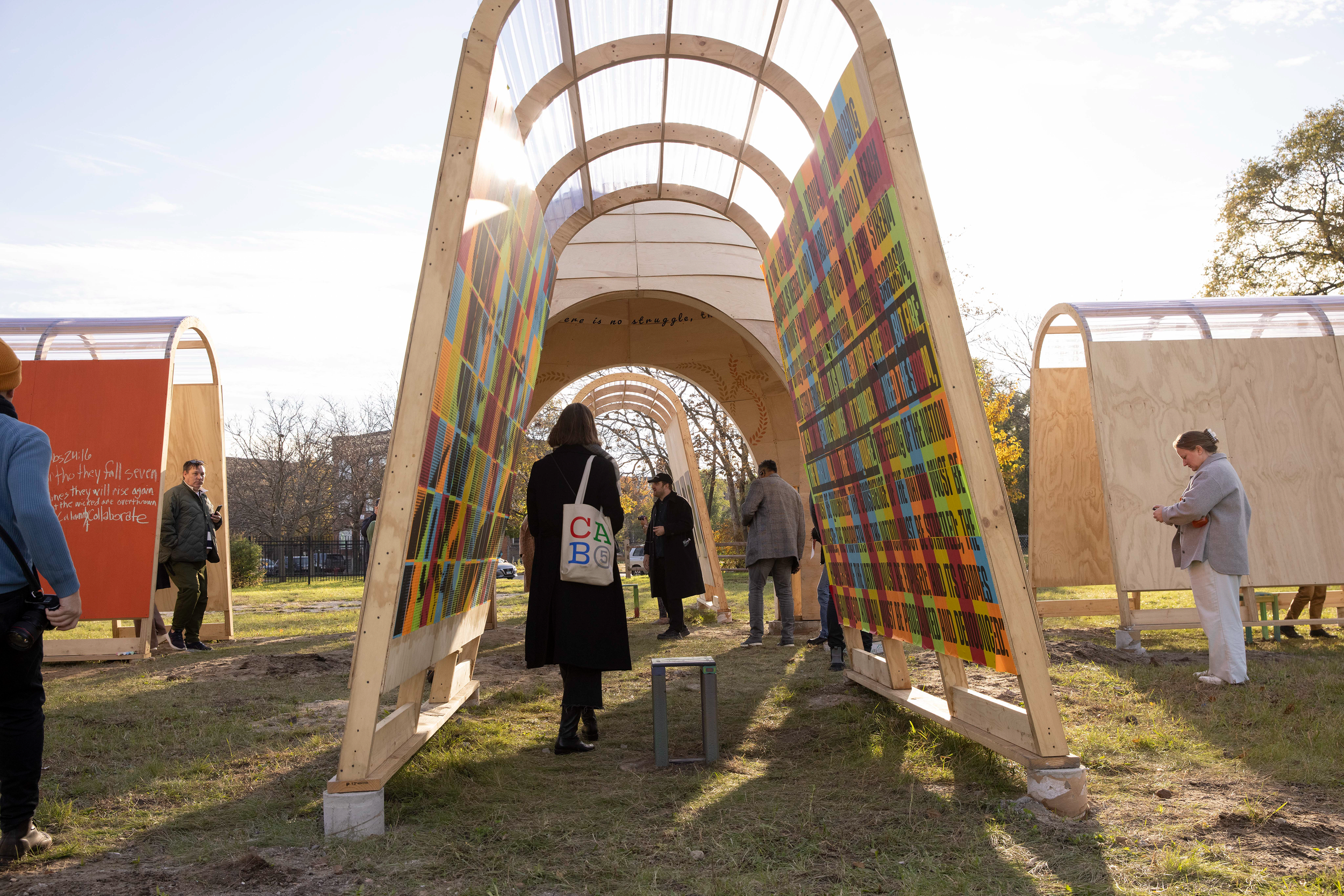
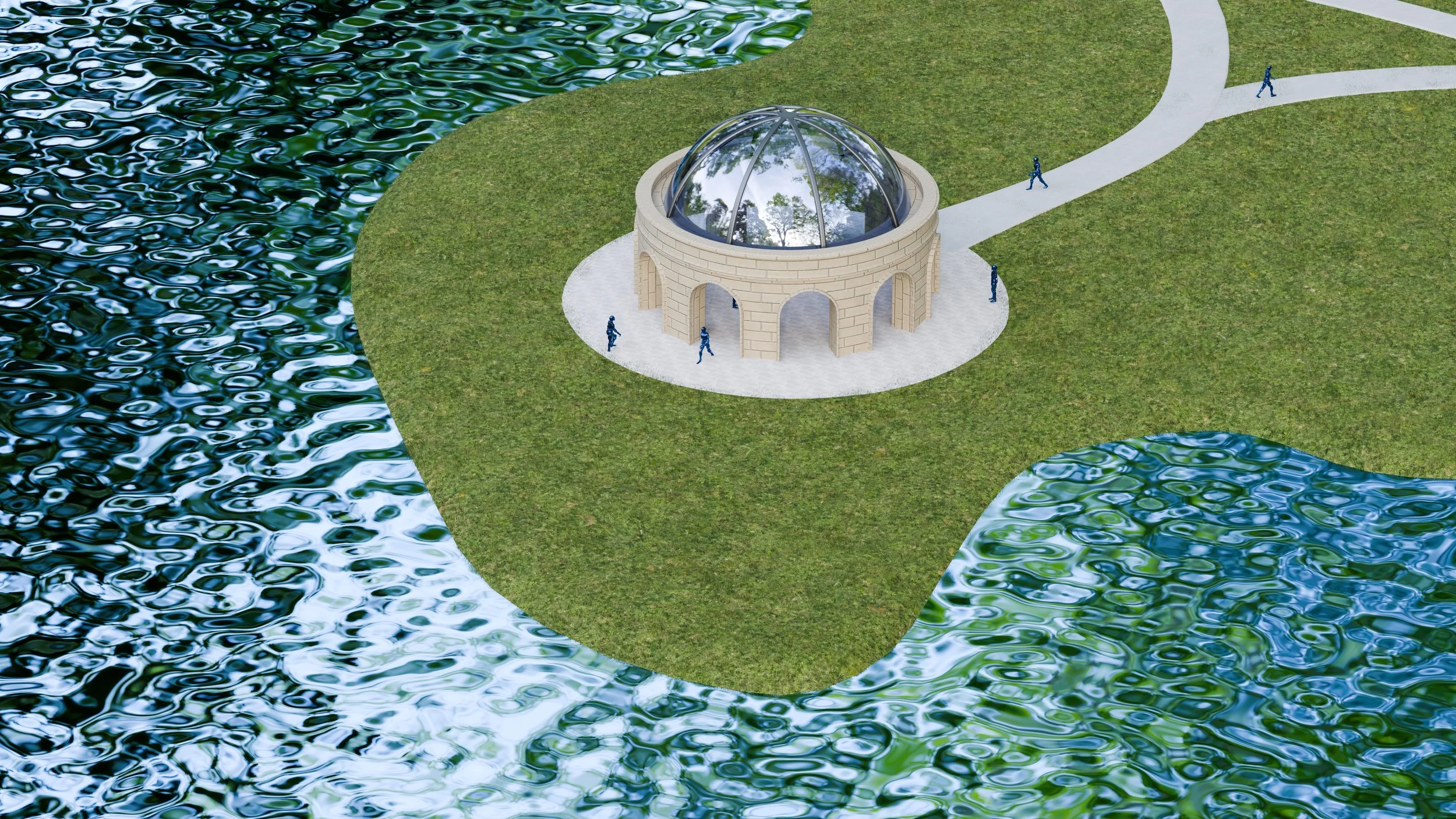
The dome is surrounded by four satellite tunnel to ceremoniously welcome visitors into the pavilion's center piece. Each tunnel contains material attached to the interior walls to stimulate conversation around one of the first four "lives" of Frederick Douglass. The outer walls of each tunnel poses. a question above a chalkboard painted onto the tunnel itself. Each question refers to the respective life phase assigned to each tunnel with an open invitation for the community visitors to answer and engage on the tunnel itself.
NTDS PARTNERED WITH
Dorian Sylvain (muralist/assistant design)
Site Design Group, LTD.
Mejay Gula (project management)
Ernest Wong (architect)
Max Davis (design engineer)
The Chicago Design Museum
Tanner Woodford (graphics specialist)
Seating by Redemptive Plastics (a collaboration between
Happy Returns Studio + Alt Space)
Happy Returns
Cody Norman
Tom Burtonwood
Alt Space
Jordan Campbell
John Veal (in loving memory)
Tonika Johnson (consultation)
NTDS Team
John Badal (site foreman)
Daniel Overbey (assistant design/project management)
Mila Methvin (studio support)
Roger Noel (studio support)
Tetisi
Vision
Norman Teague and Dorian Sylvain were invited by the Parks District of Chicago to design a pavilion to commemorate the Douglass's legacy and the community around the park.
The Douglass's have legacy of empowering Black Americans around the turn of the 20th century with their push for literacy and education. They believed that knowledge was an intrinsic means for personal and community protection and safety. The designs for the Tetisi pavilion focused on this protection and the visual analogy of the umbrella became a driver for form language.
Underscoring the idea of a people's legacy, the dome shape is a direct reference to the classical/neoclassical tradition of suing domes in buildings of significance. The dome is also used as an allusion and homage to the structures built by American slaves for municipal buildings with the intention to reclaim the Black contribution to architecture in the U.S.
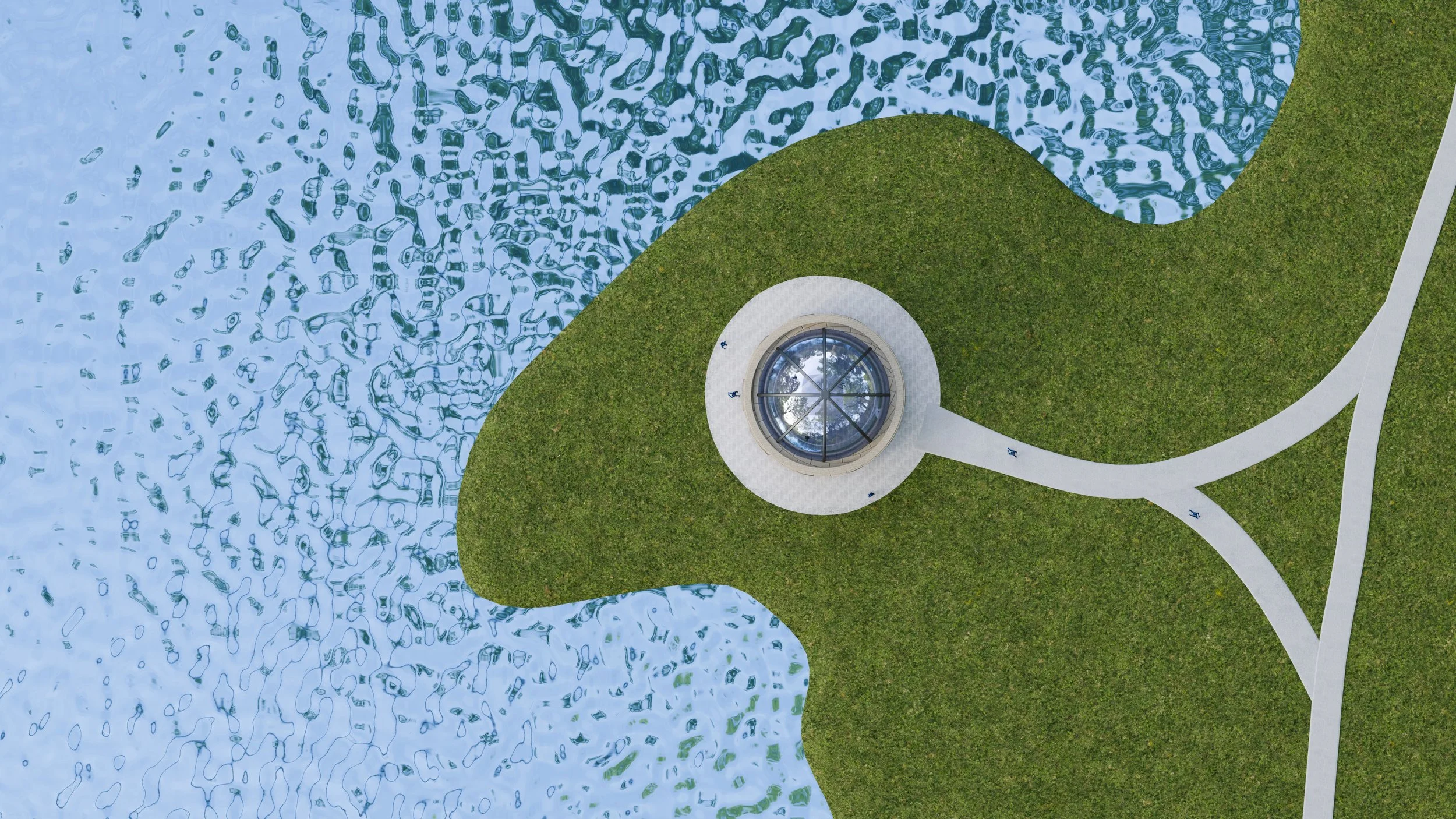
The Tetisi pavilion for the Chicago Architecture Bienniale shown here is rendered in Chicago's historically Black, Bronzeville neighborhood. Bronzeville was selected because of its demographic similarities to Douglass Park's Lawndale neighborhood.
The intention here was to source real-time feedback from the community in an effort to respect the needs and desires of Black Chicagoans such that any public installation can serve the community first and foremost.
Each structure contains content relating of a respective "life" or phase of Frederick Douglass's experience as described in his third autobiography.
PHASE 1: Life of slavery
PHASE 2: Life of a fugitive
PHASE 3: Life of comparative freedom
PHASE 4: Life of conflict and (Civil War) battle
PHASE 5: "... the life of victory, if not complete, at least assured"
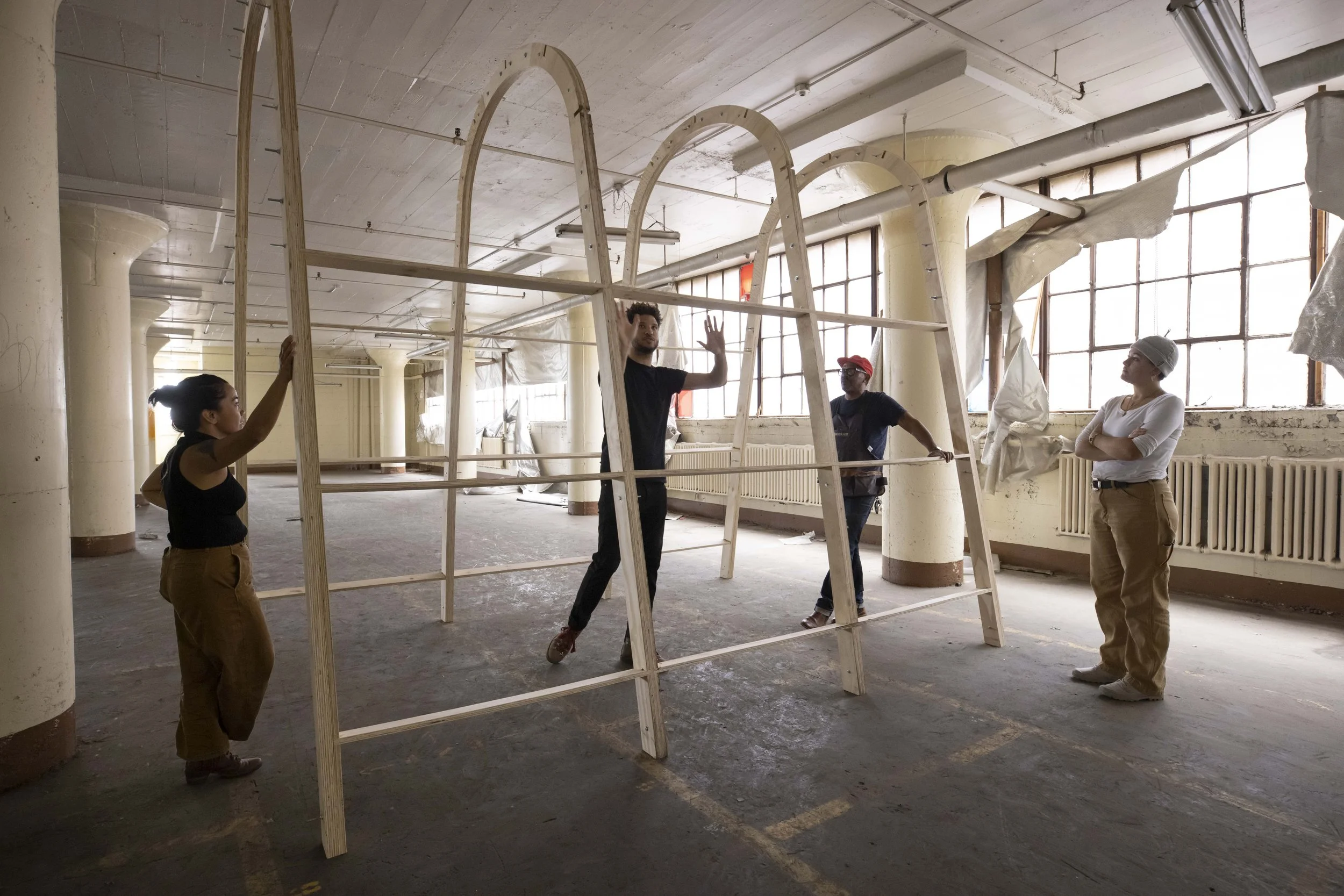
At the heart of the journey toward the Anna & Frederick Douglass Monument lies an experiment in space, memory, and community: the Tetisi pavilion. The name "Tetisi" comes from the Yoruba word for "listen", a fitting invitation to reflect on how honoring Frederick and Anna Douglass is as much about hearing their voices and stories as it is about monumental form. Led by Chicago designer and educator Norman Teague and his collaborative team (including Tonika Johnson, Max Davis, Ernest Wong, Mejay Gula, and Tanner Woodford), this project materialized in 2023 as part of the Chicago Architecture Biennial (CAB 5) on a vacant lot in Bronzeville.
The structure is a near 1:1 full-scale wooden prototype, intended as a rehearsal for a permanent pavilion to be built in Douglass Park, where the future Anna & Frederick Douglass Monument will stand. While the prototype is made from plywood, the permanent version is envisioned in copper, designed to age gracefully with a verdigris patina, echoing traditions of stately, classical monuments while asserting a new architectural language in a Black cultural context. The pavilion’s form is deeply symbolic and intentionally open-ended. It features a central dome, conceived as a protective “umbrella” under which people can gather not merely to view, but to converse, reflect, and imagine. Four tunnels radiate from this dome, each embodying different themes or motifs. On the outside walls, interactive chalkboard surfaces invite community engagement: visitors can respond to prompts, leave their own reflections, and project their own visions. Inside, the tunnel interiors are lined with infographics and colorful graphics developed in collaboration with the Chicago Design Museum, weaving together fact, memory, and inspiration.
CAB 5’s curatorial theme, This Is a Rehearsal, could not be more apt for Tetisi. The Floating Museum, which curated the biennial, specifically framed the city as a “work in progress,” where installations act as experiments rather than final products. In that spirit, the wooden prototype was never meant to be the final reveal. Rather, a way to learn how people interact with the space, to build community engagement, and to refine the design before the permanent structure is built. By engaging people in co-creation, Tetisi doesn’t just memorialize Frederick and Anna Douglass, it embodies their legacy. Frederick Douglass was a powerful orator; Anna Murray Douglass was instrumental in his life and work, yet her voice is often less publicly centered. This pavilion honors both by making listening its core act. The project calls on us not just to erect a monument to the Douglasses, but to create a space inspired by their teachings on justice, truth, and collective liberation.
Sources: Chicago Architecture Biennial, Azure Magazine, Chicago Reader
DES 520 SKETCHES AND RENDERINGS
Shannon
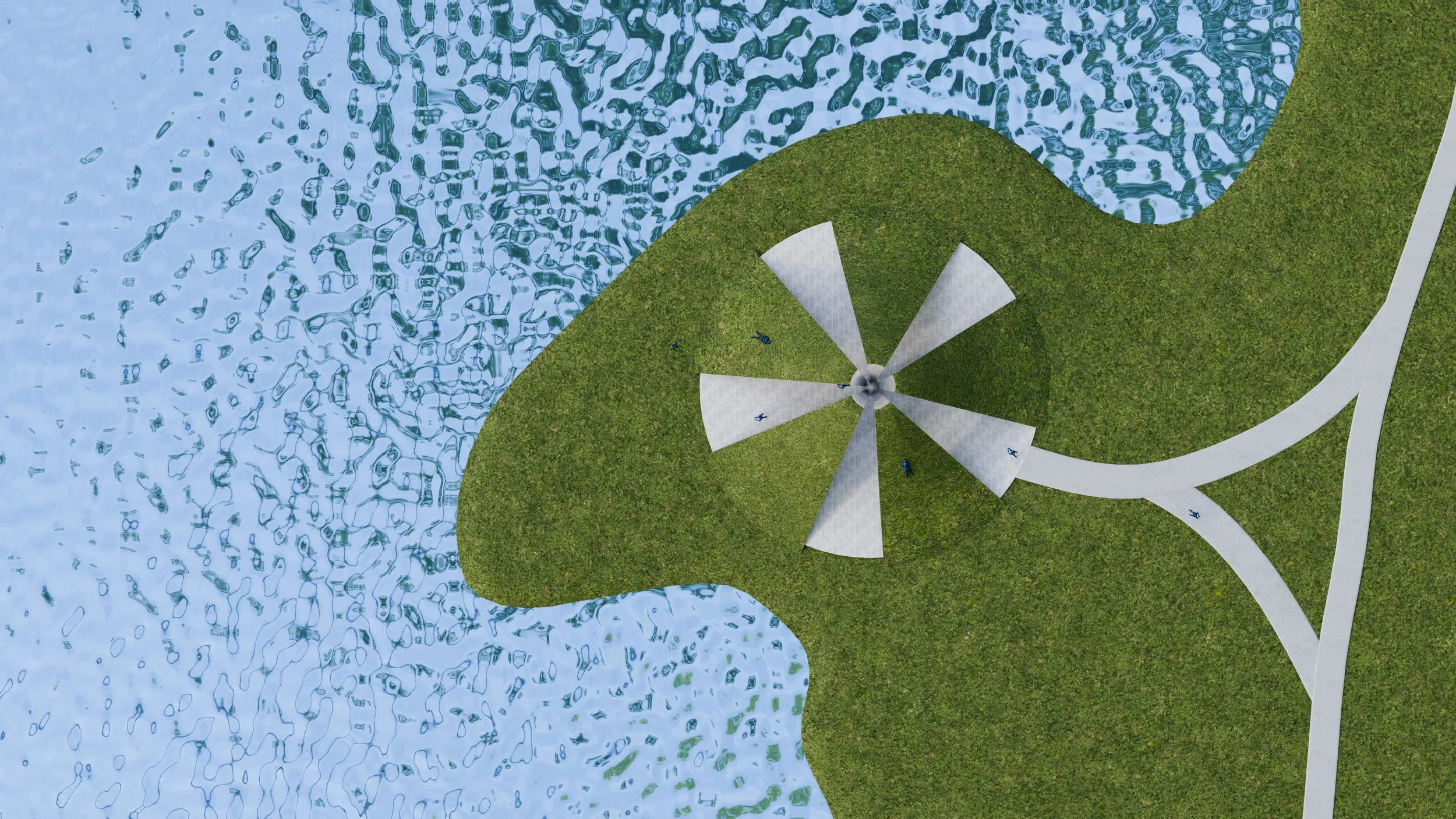
My approach with all of these sketches is to focus on Anna Douglass, together with Frederick and their family. I am inspired by themes of interconnectedness, support, raising each other up, and the idea that we cannot thrive in isolation.
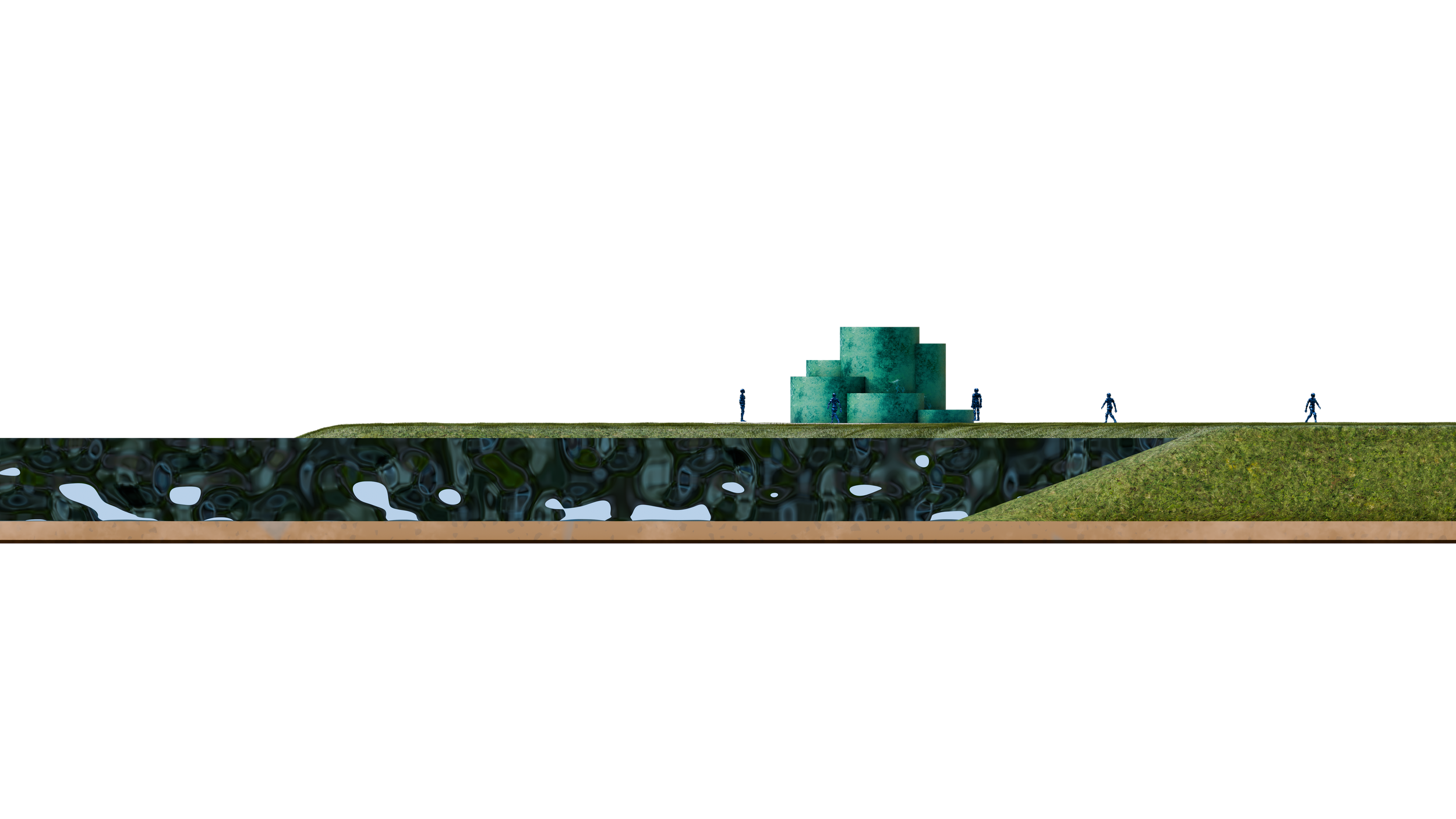
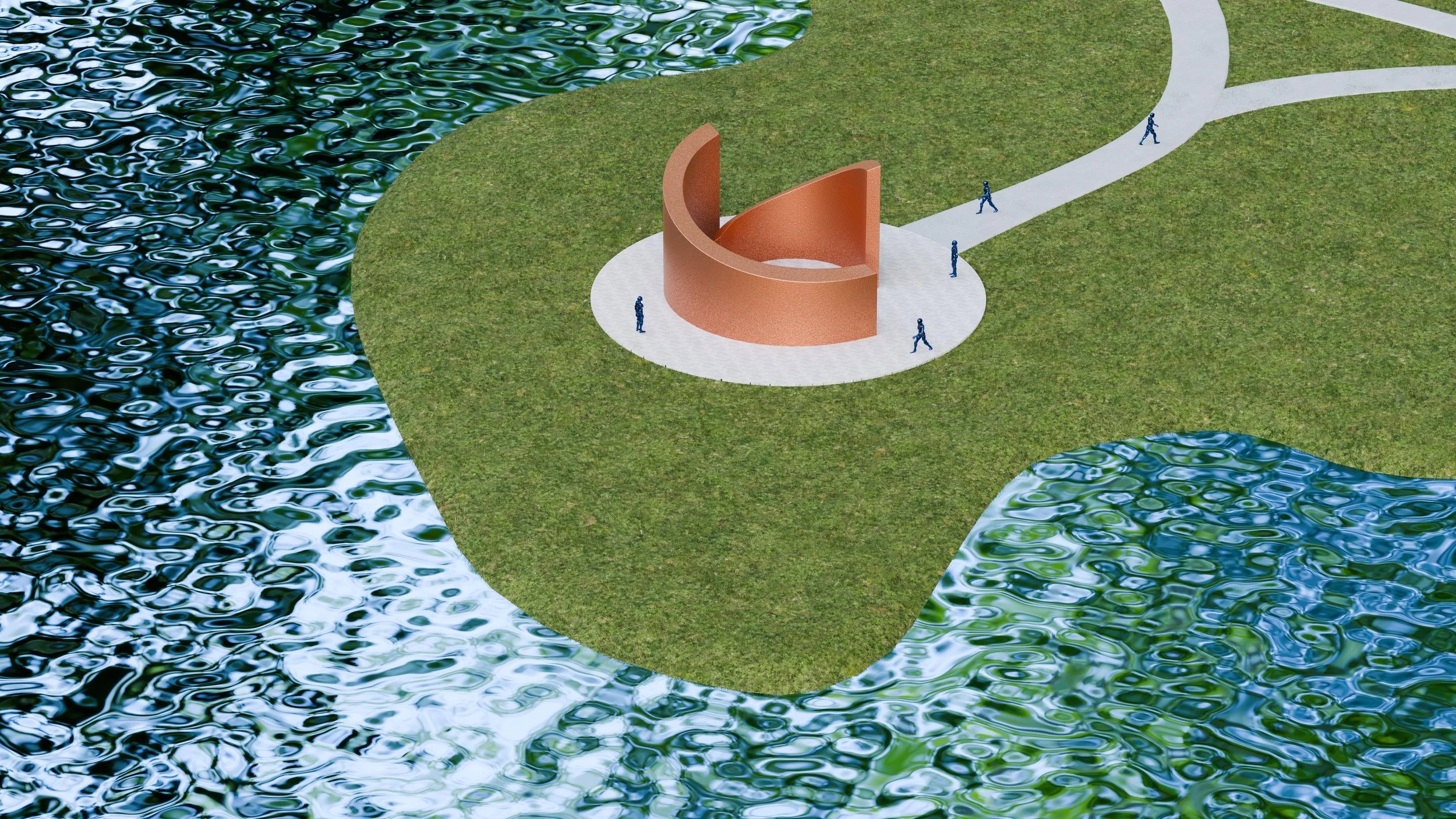
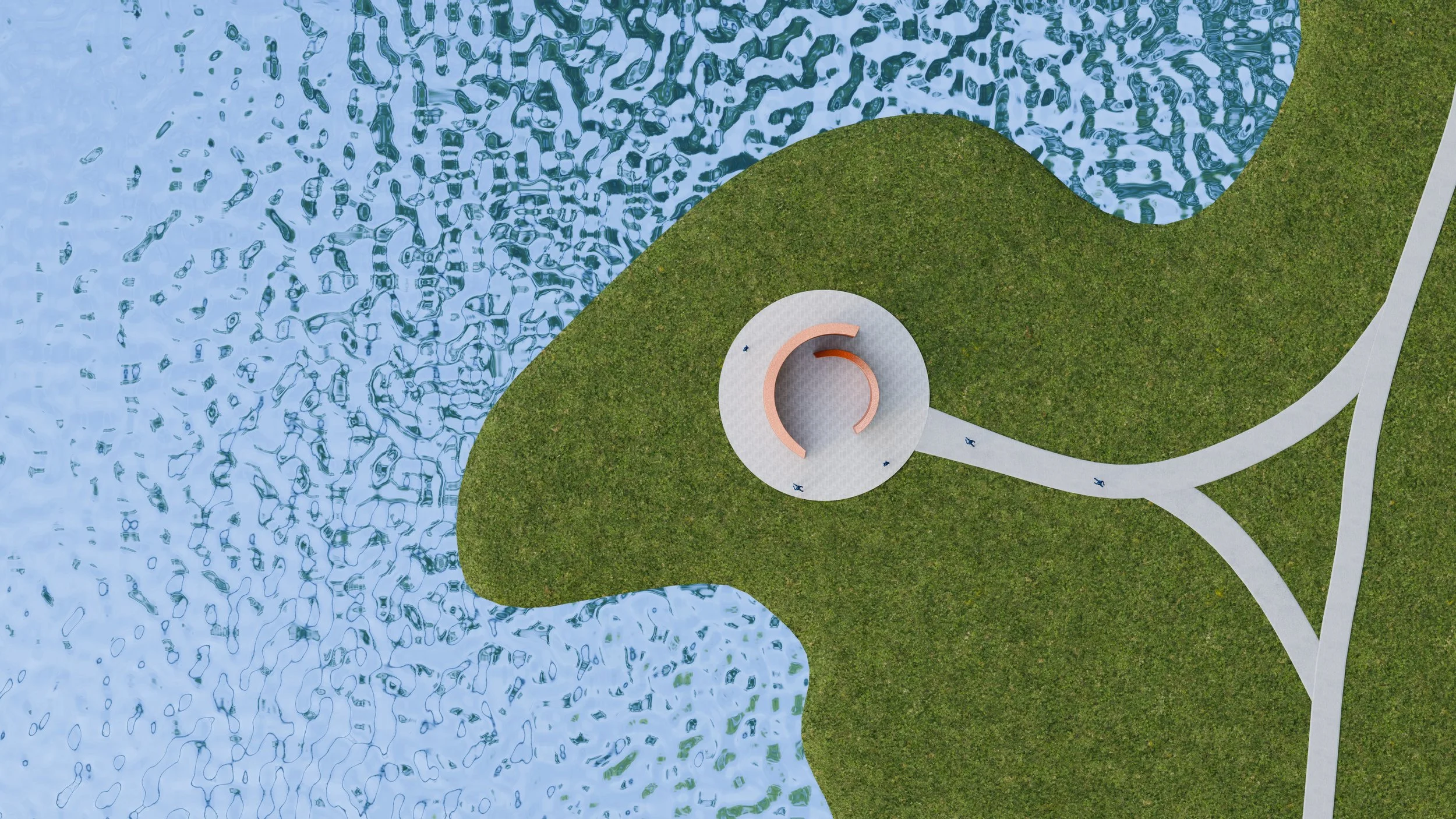
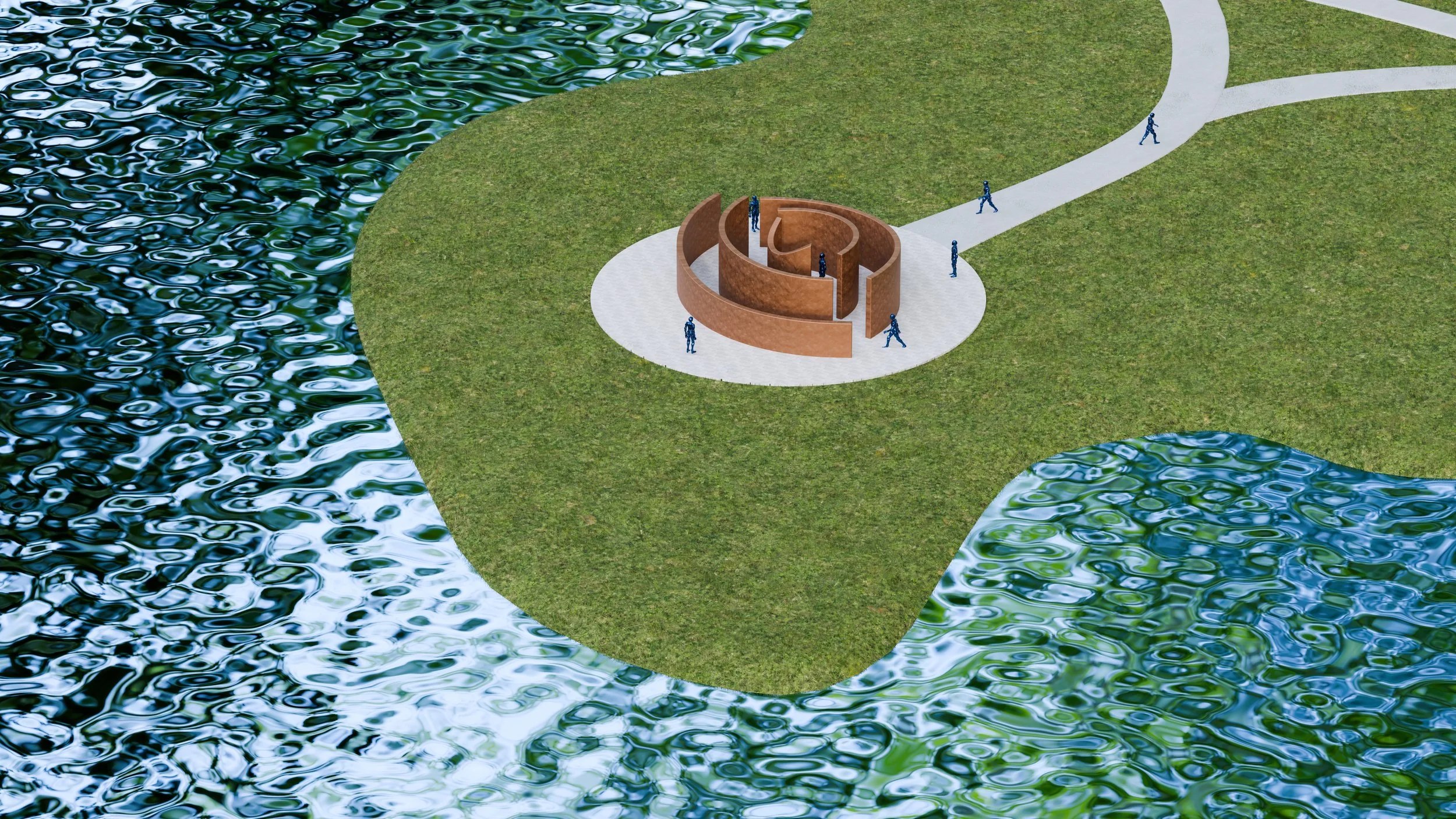
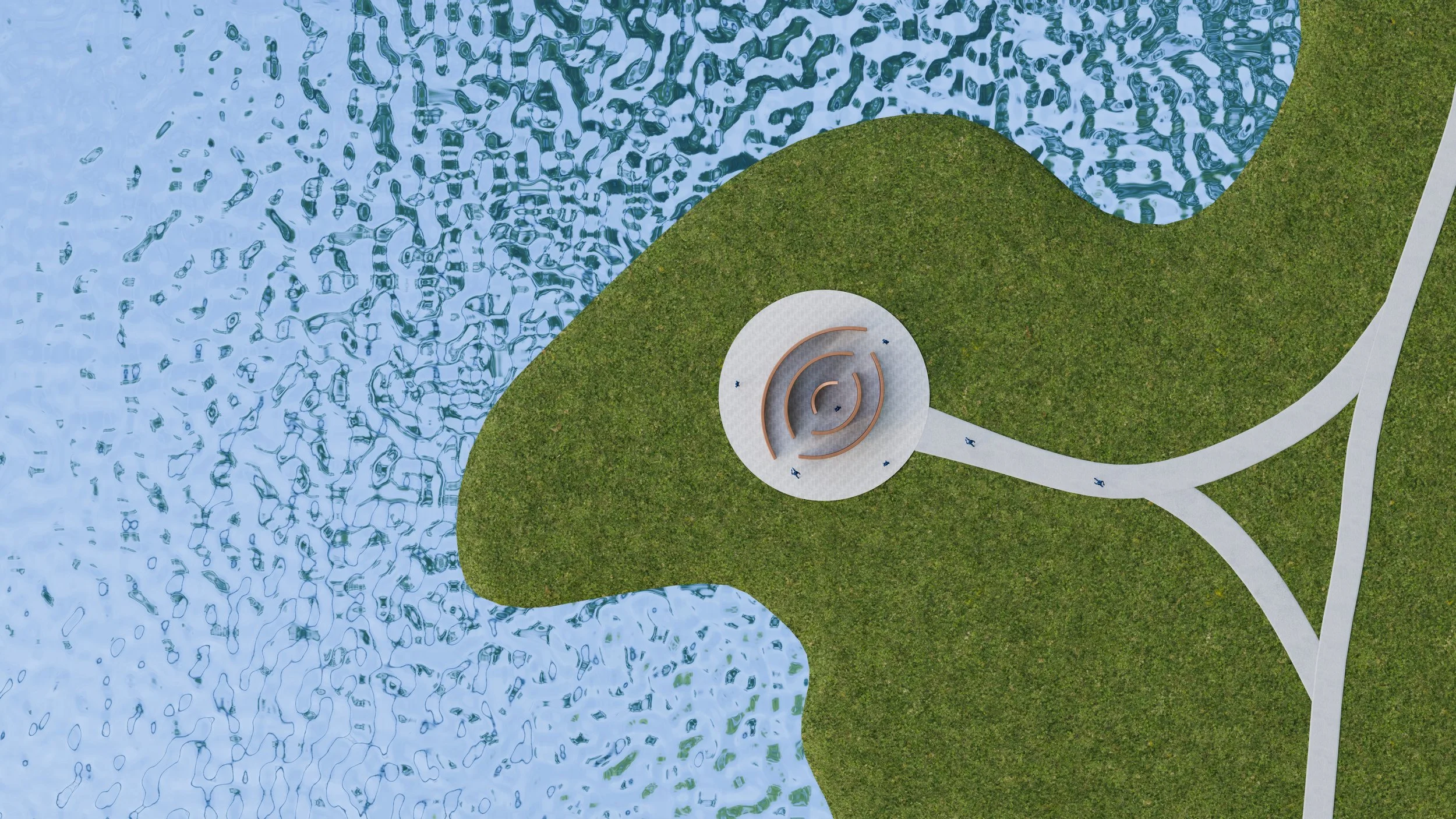
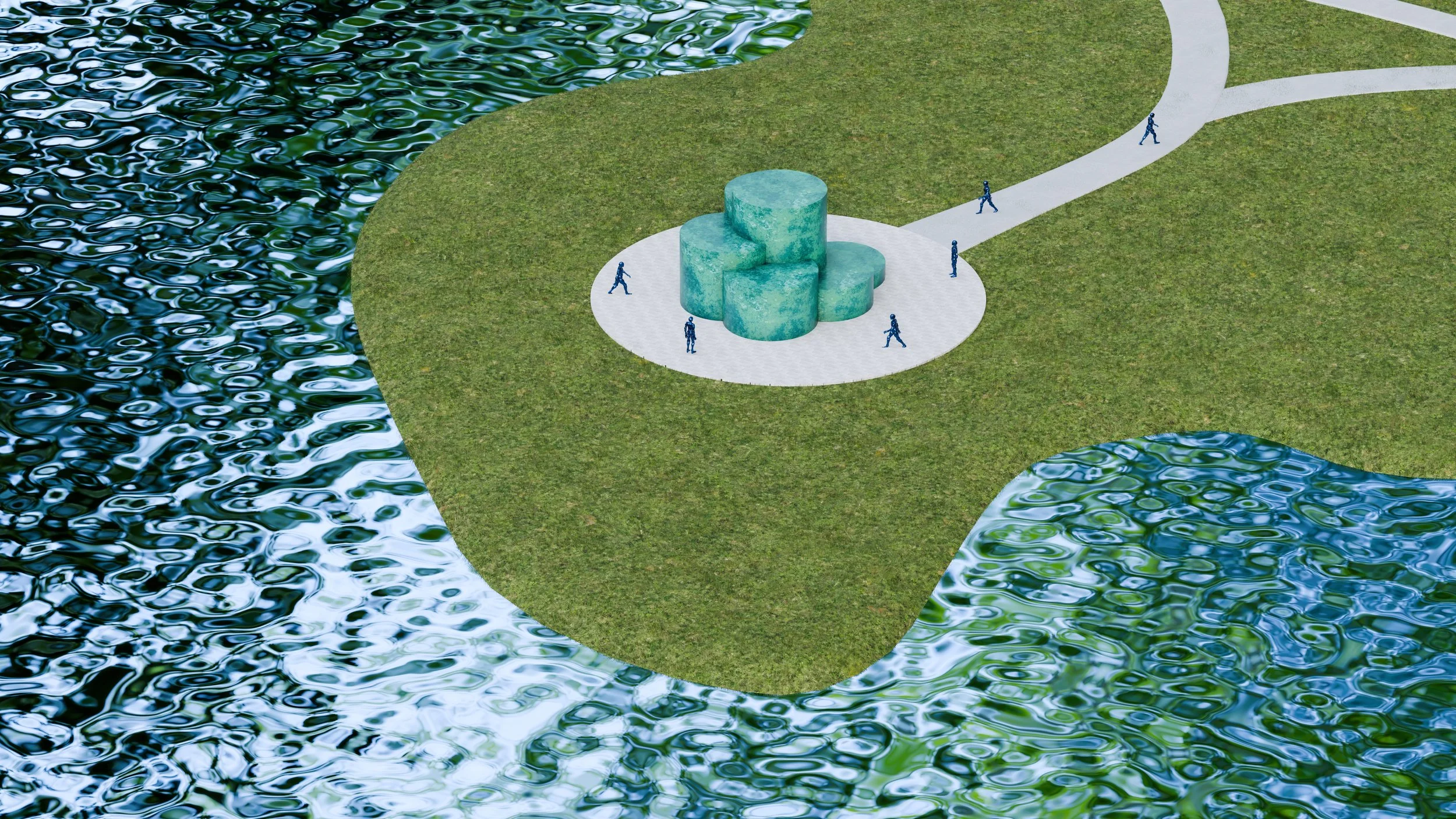
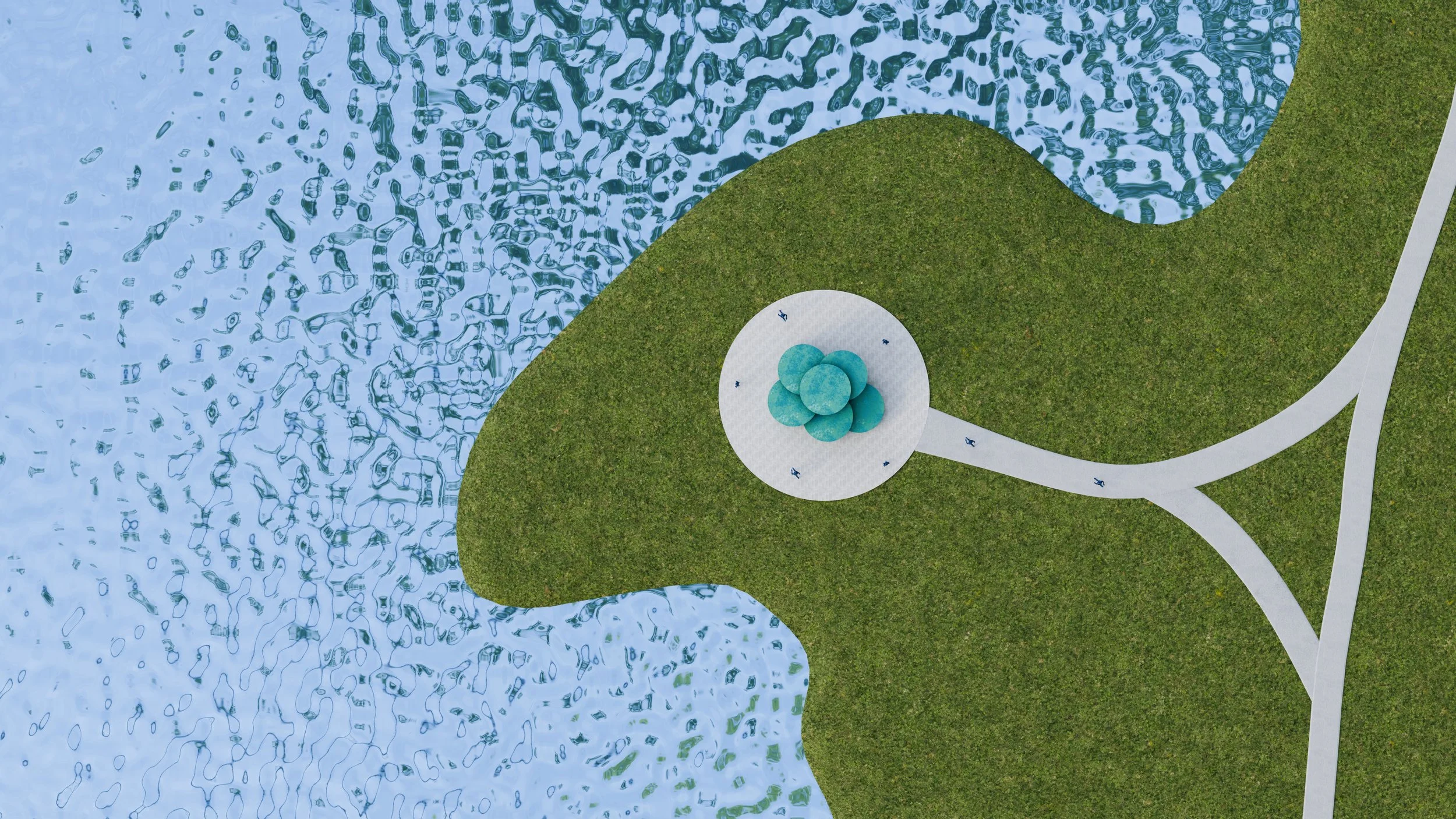
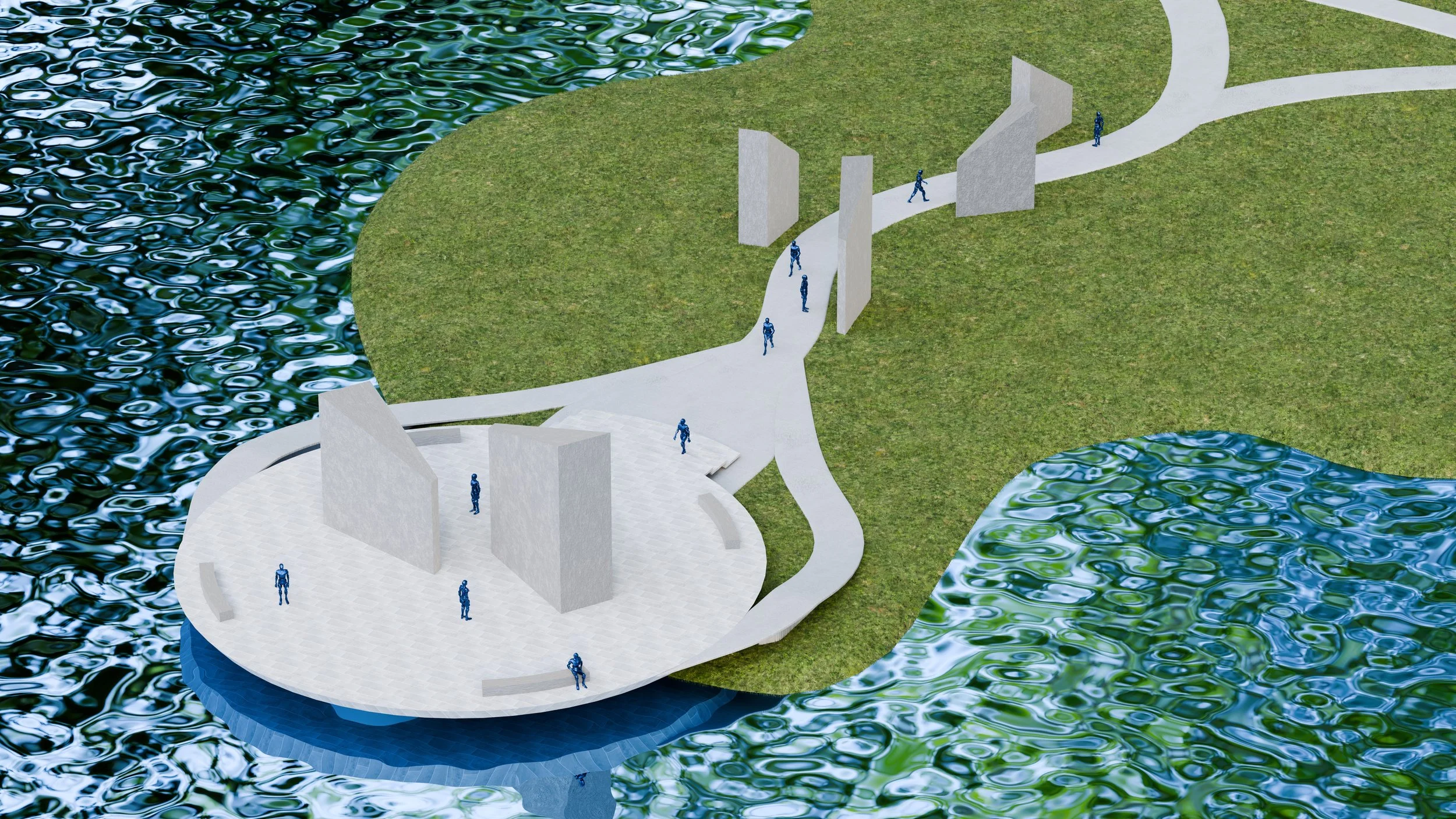
Taha
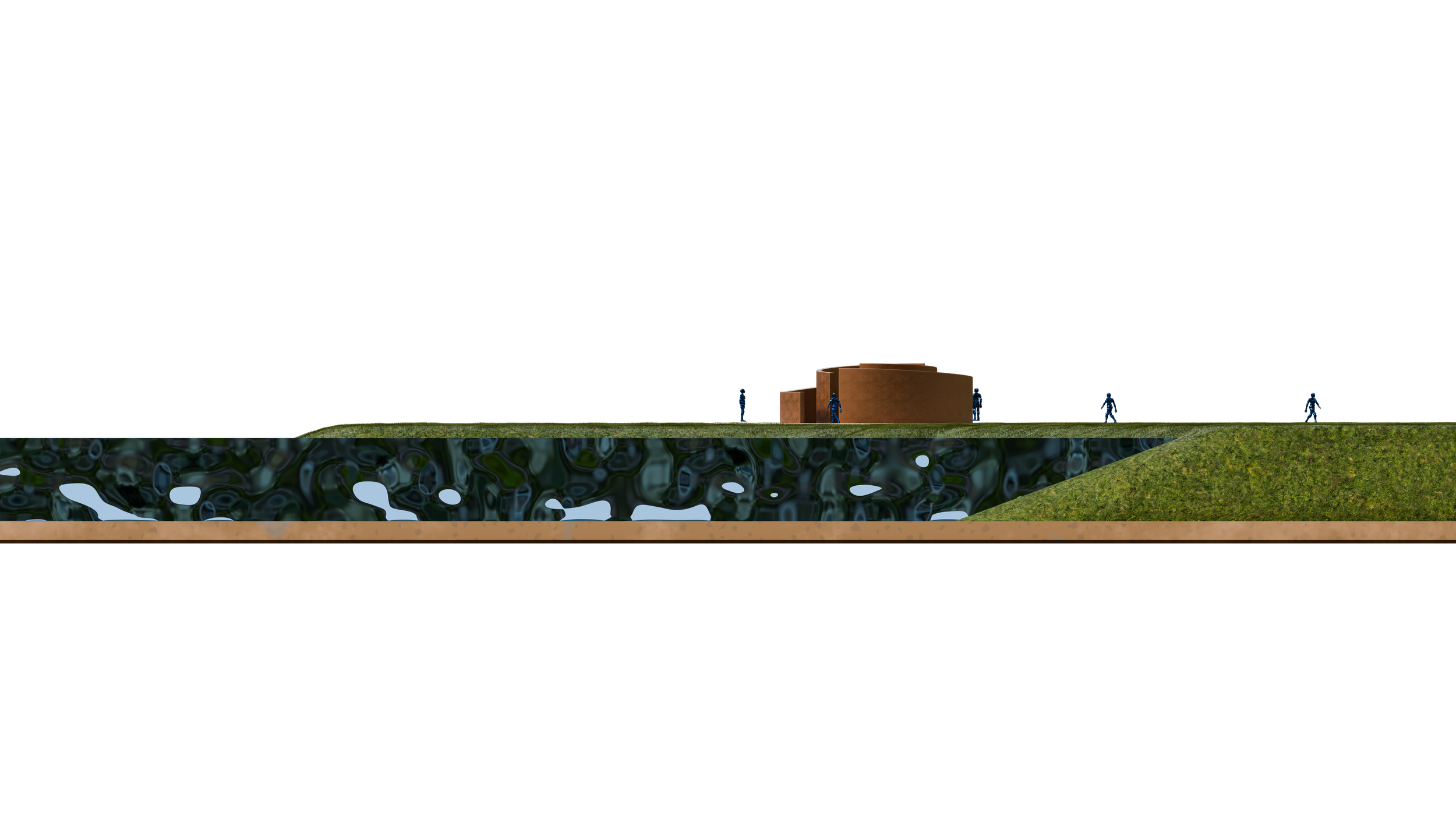
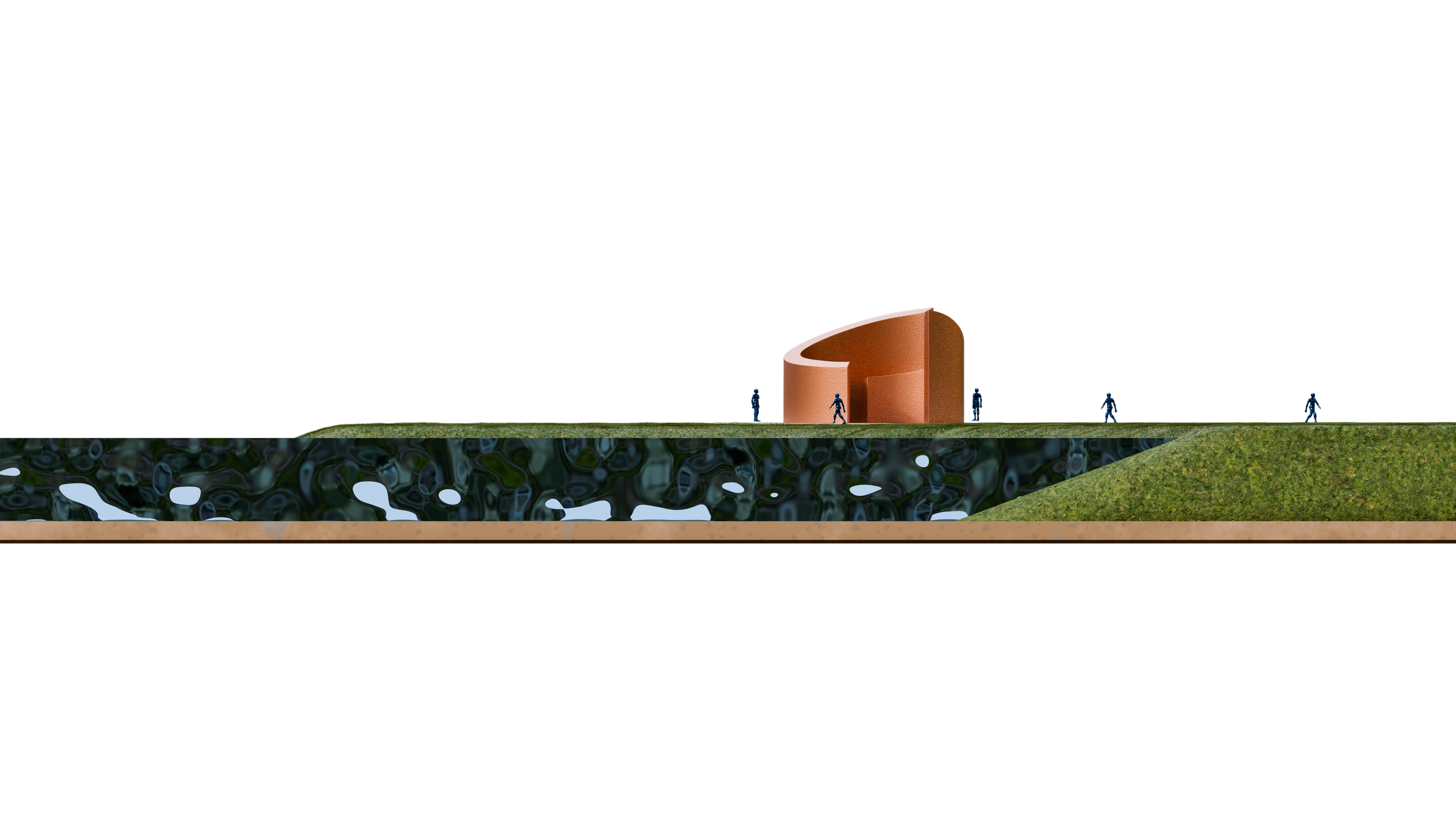
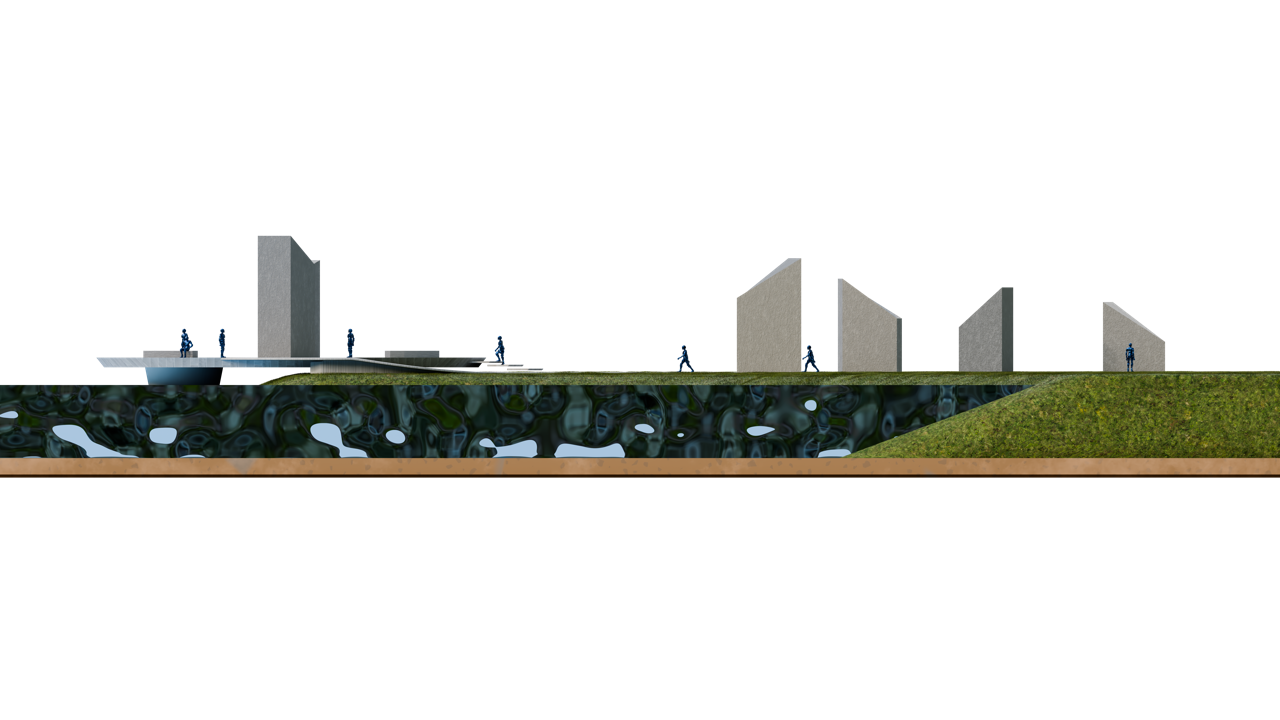
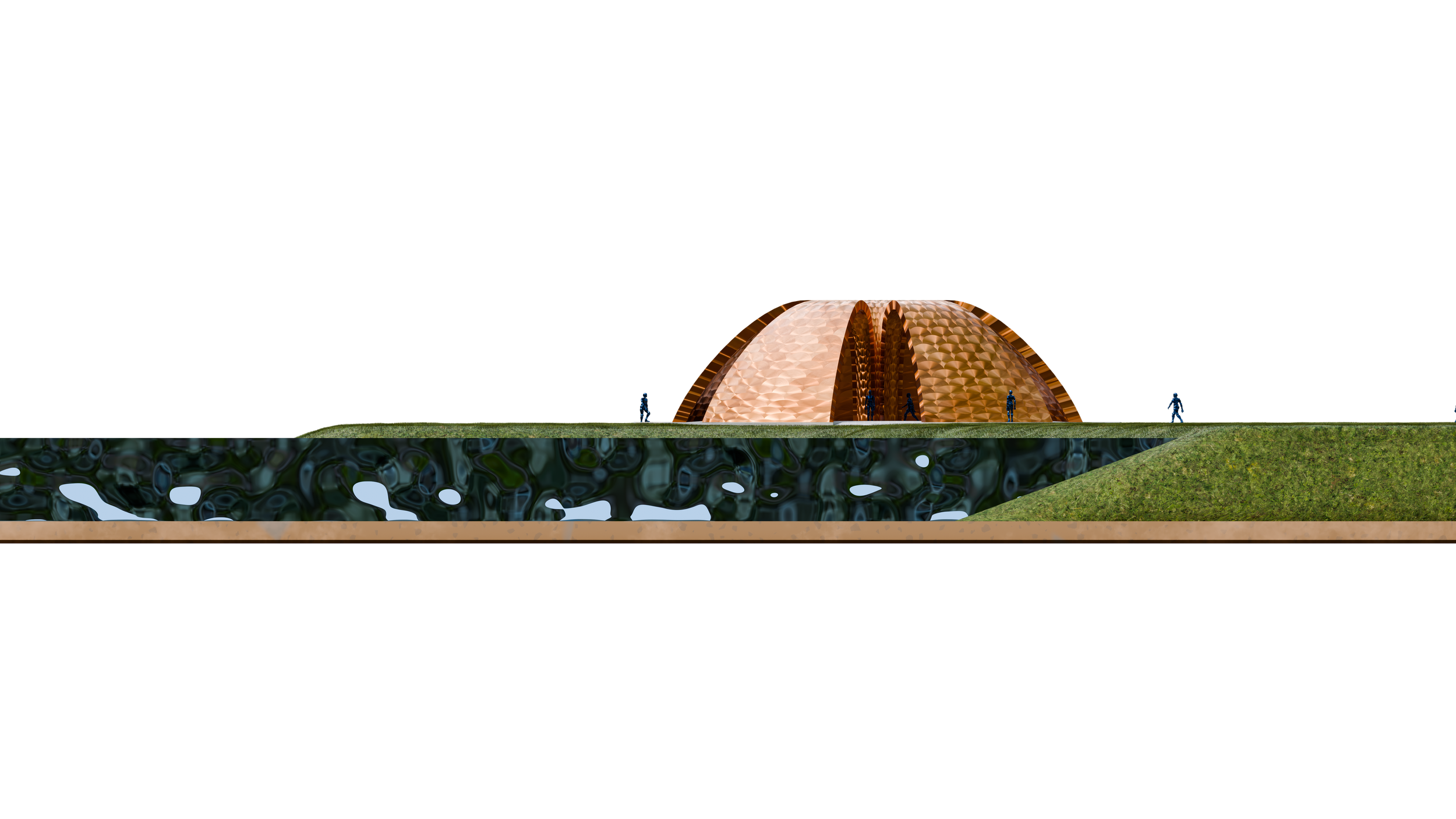
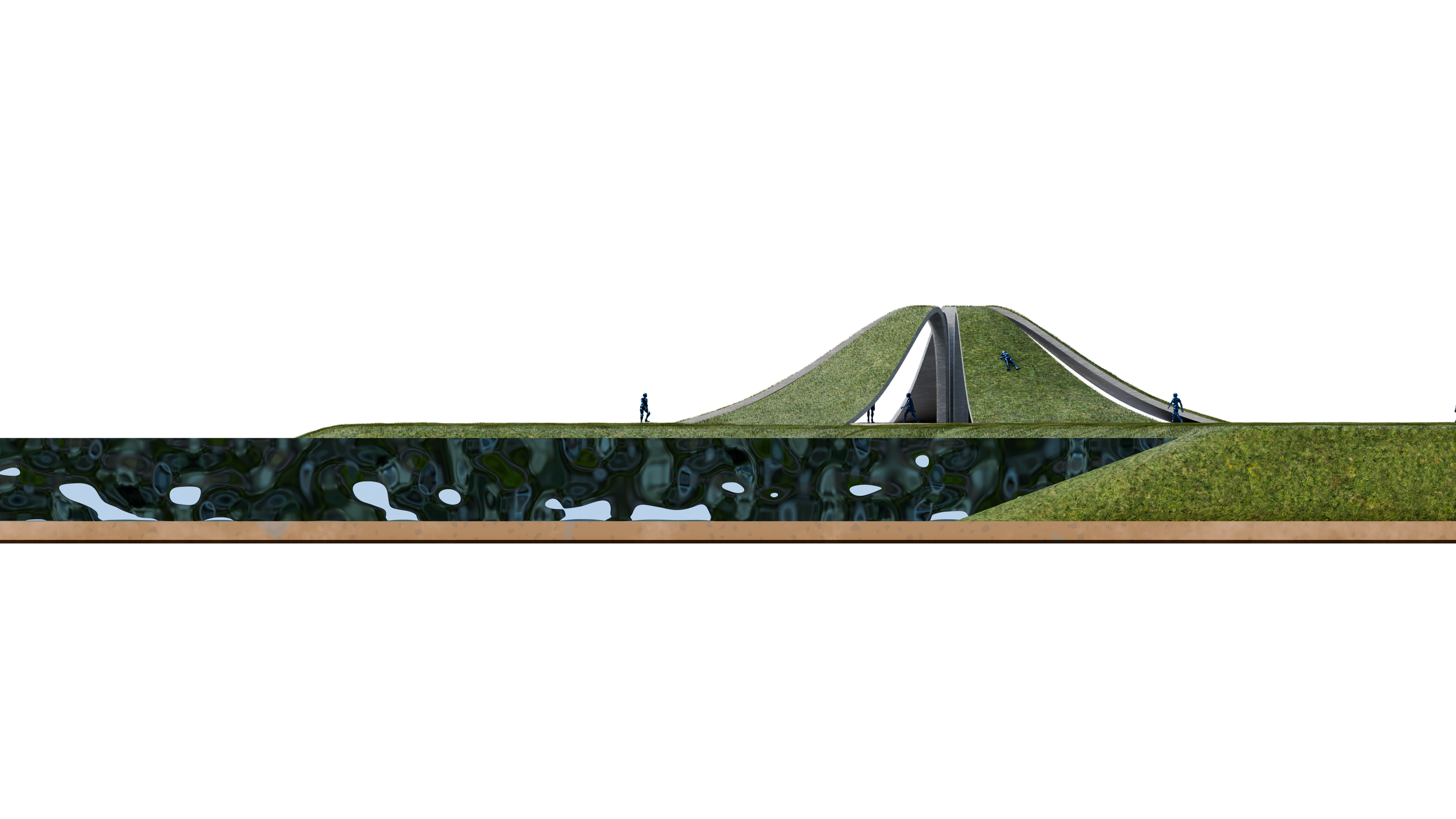
The first design is similar to the original idea, and instead of four small phases and one final big phase. all phases in his life are equal parts
The 2nd design is similar to the first one but is more connected to the ground so that people can climb up and sit on the top.
The 3rd Design is showing the journey through each phase with Anna at his Side in the last phase
Synovia
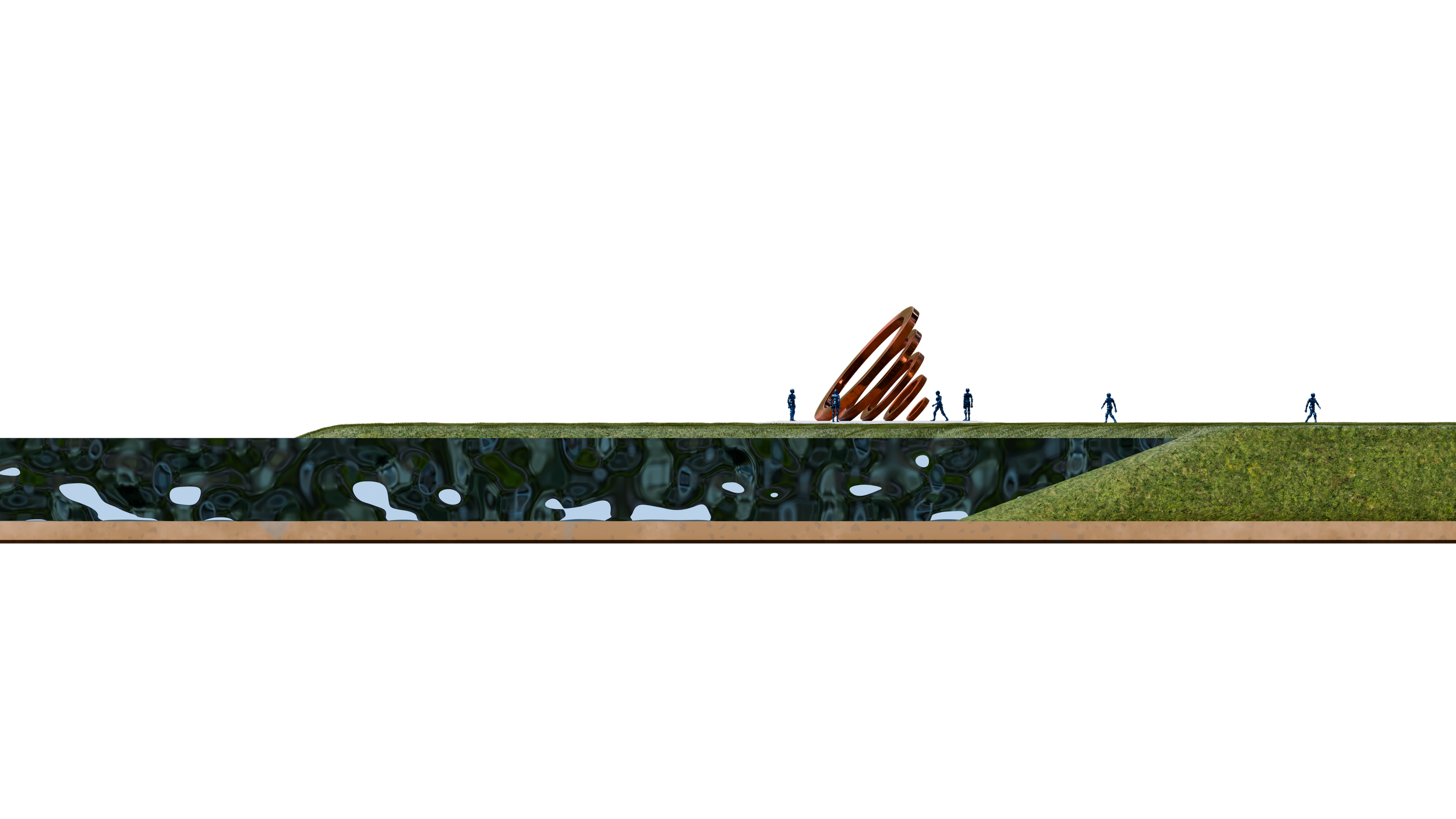
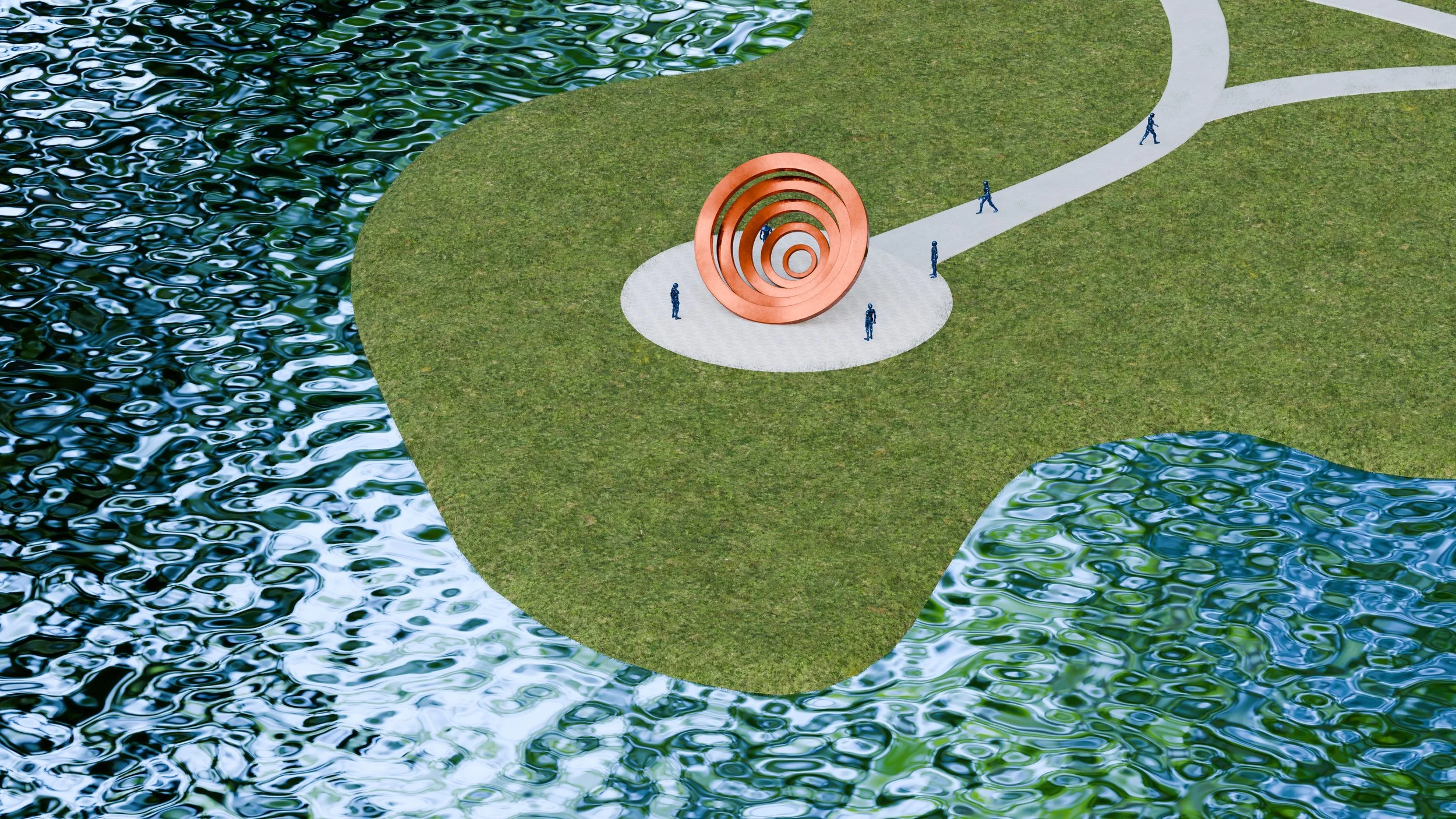
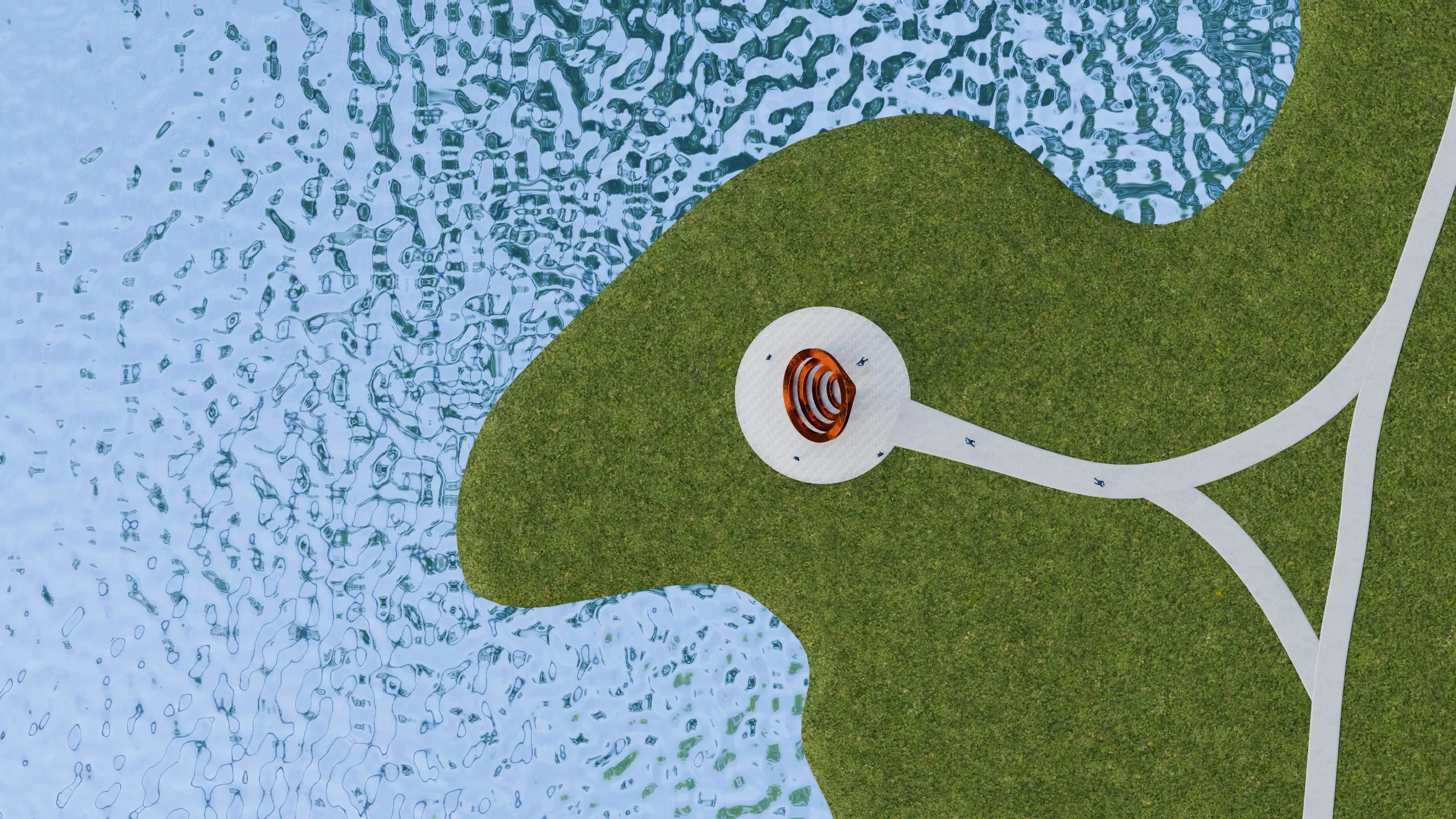
This sketch takes the form of a rising spiral composed of five rings, each representing a stage in Frederick Douglass’s life. At the same time, the structure’s negative space honors Anna Douglass, whose quiet strength and unwavering support formed the foundation of his legacy. The hollow center symbolizes both her essential yet often unacknowledged role, serving as the invisible pillar that sustained his path forward.
Steph
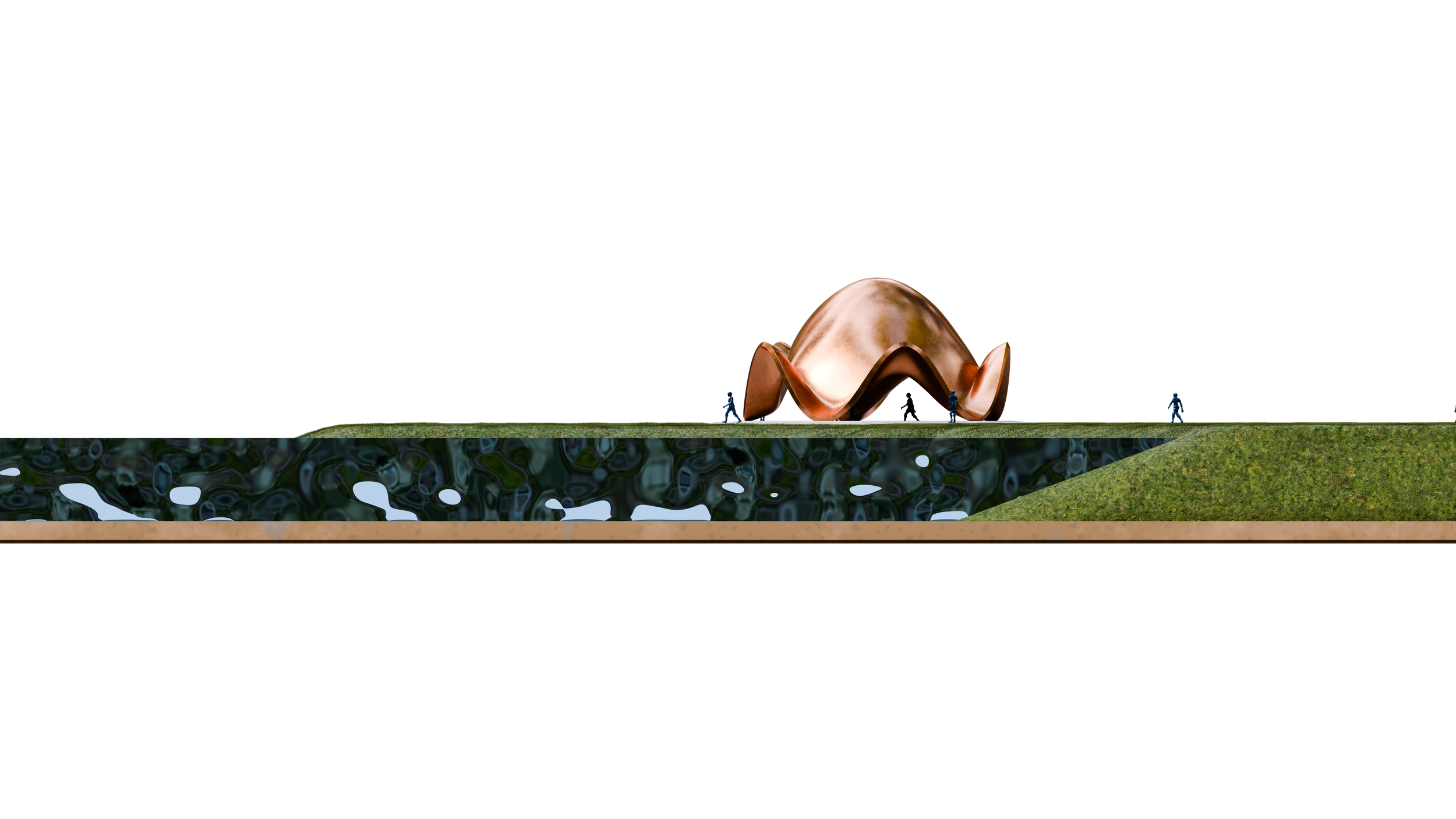
The influence of my sketch stems from the idea of “home” as a feeling. From listening to the community, there was a common aspect of sharing an emotional connection that was familiar, familial and a personal expression of identity. To convey these elements, I employed a dome exterior, symbolizing a cycle of tradition and evolution. The interior would house a more organic structure, reflecting aspects of light and nature with swirls and arches. Additionally, the interior would have four pillars, representing the Douglass’s children with a center pillar for Ana, representing her upholding commitment to her family and community.
Michael
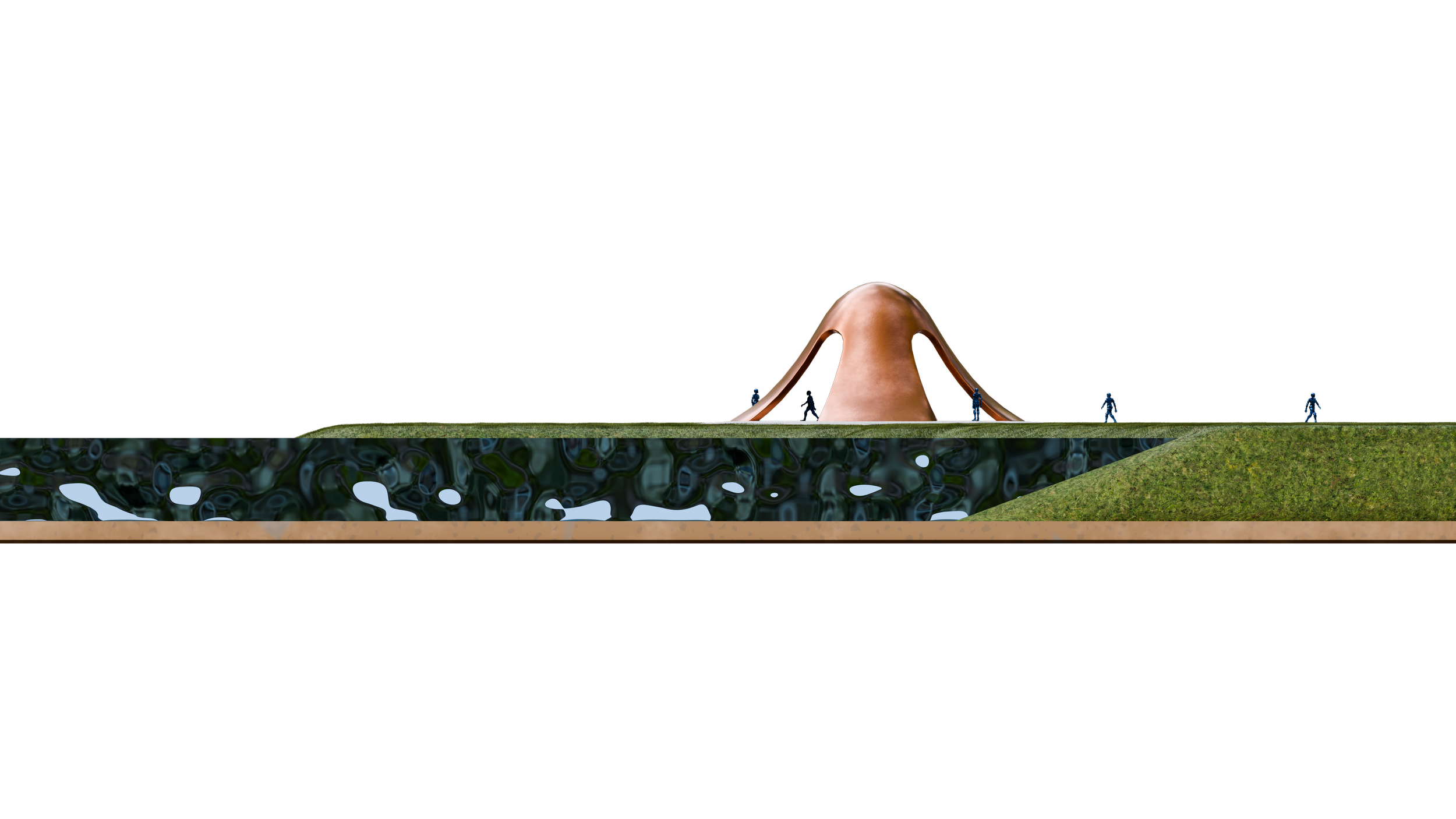
My thought process when sketching was keeping a similar look to the original render but with a slightly different twist. I wanted to have a higher dome and with the legs being longer and spread out. The seating was still using the 4 small domes surrounding the main dome. The seating is around the inside of the smaller domes and protruding out of the walls. There are also pathways leading back to the main part of the pavilion.
Bladon
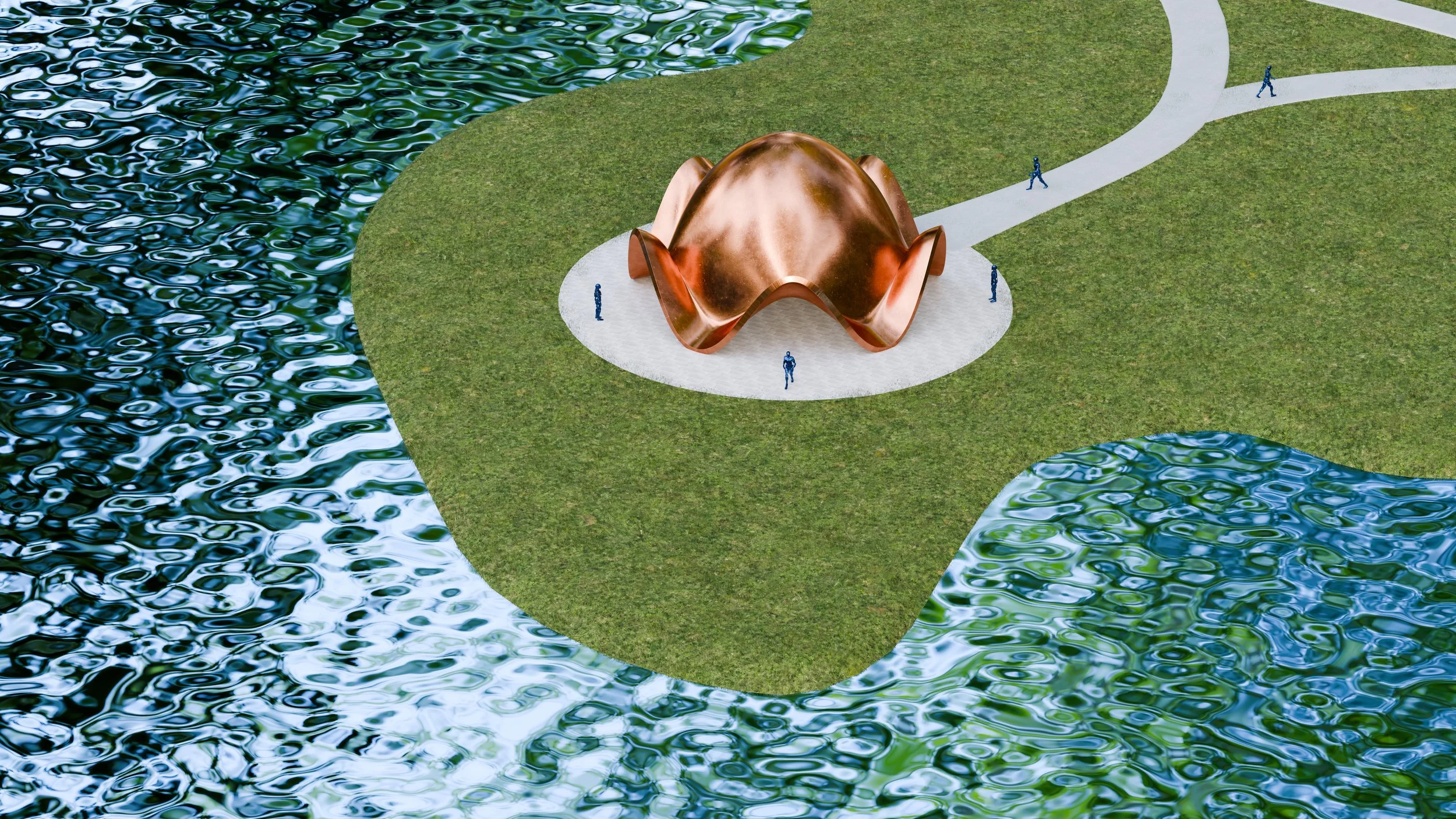
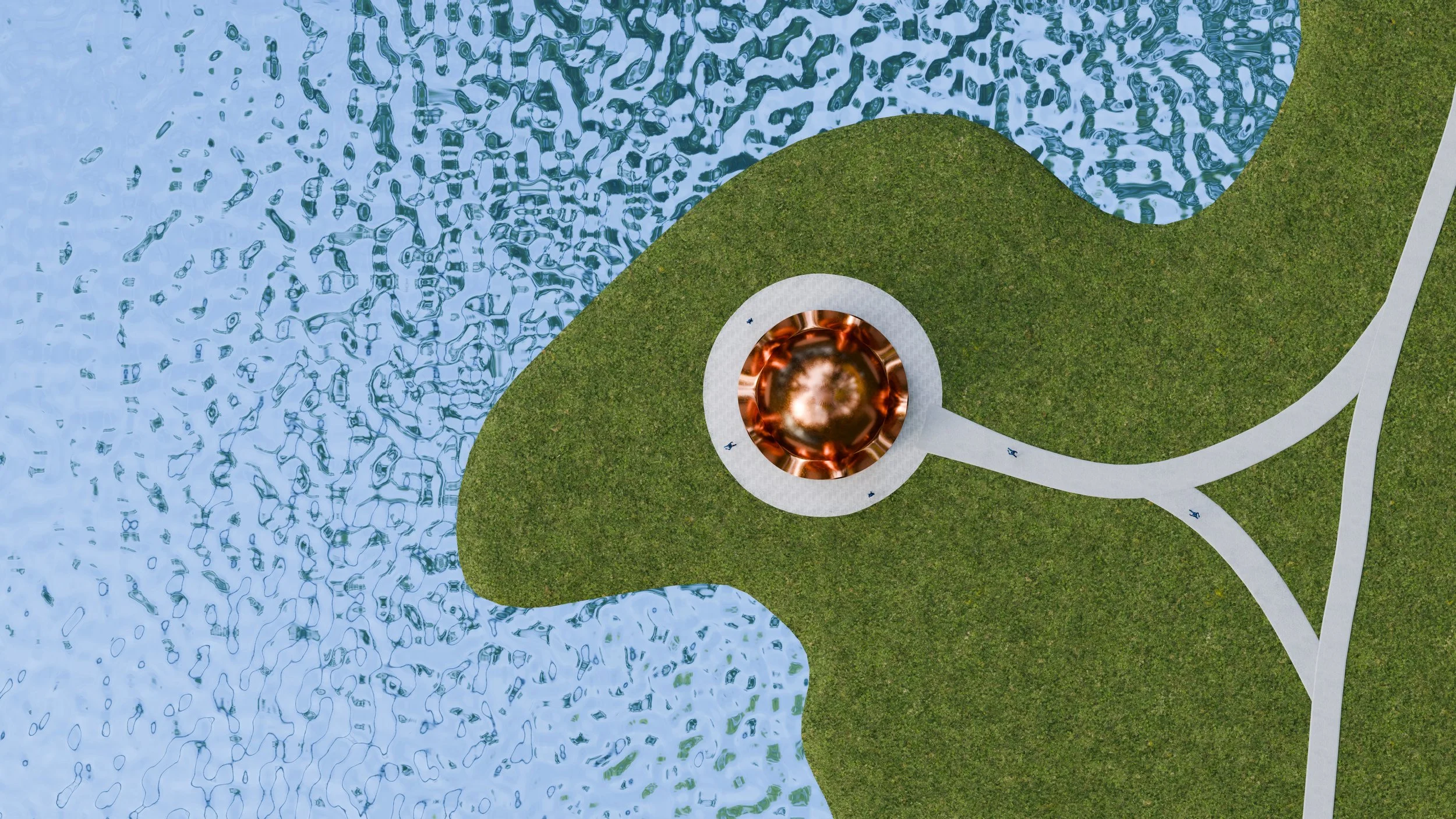
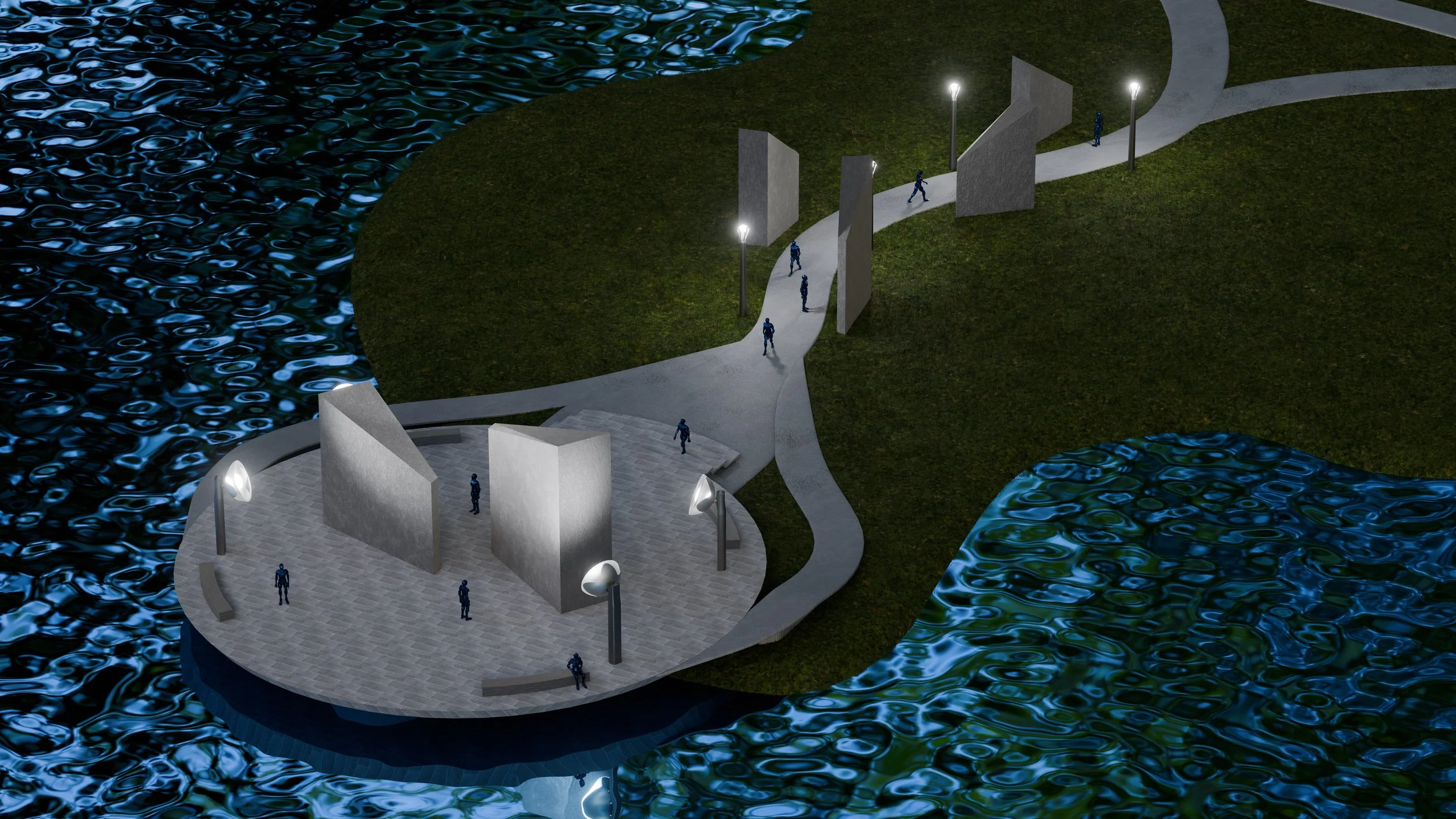
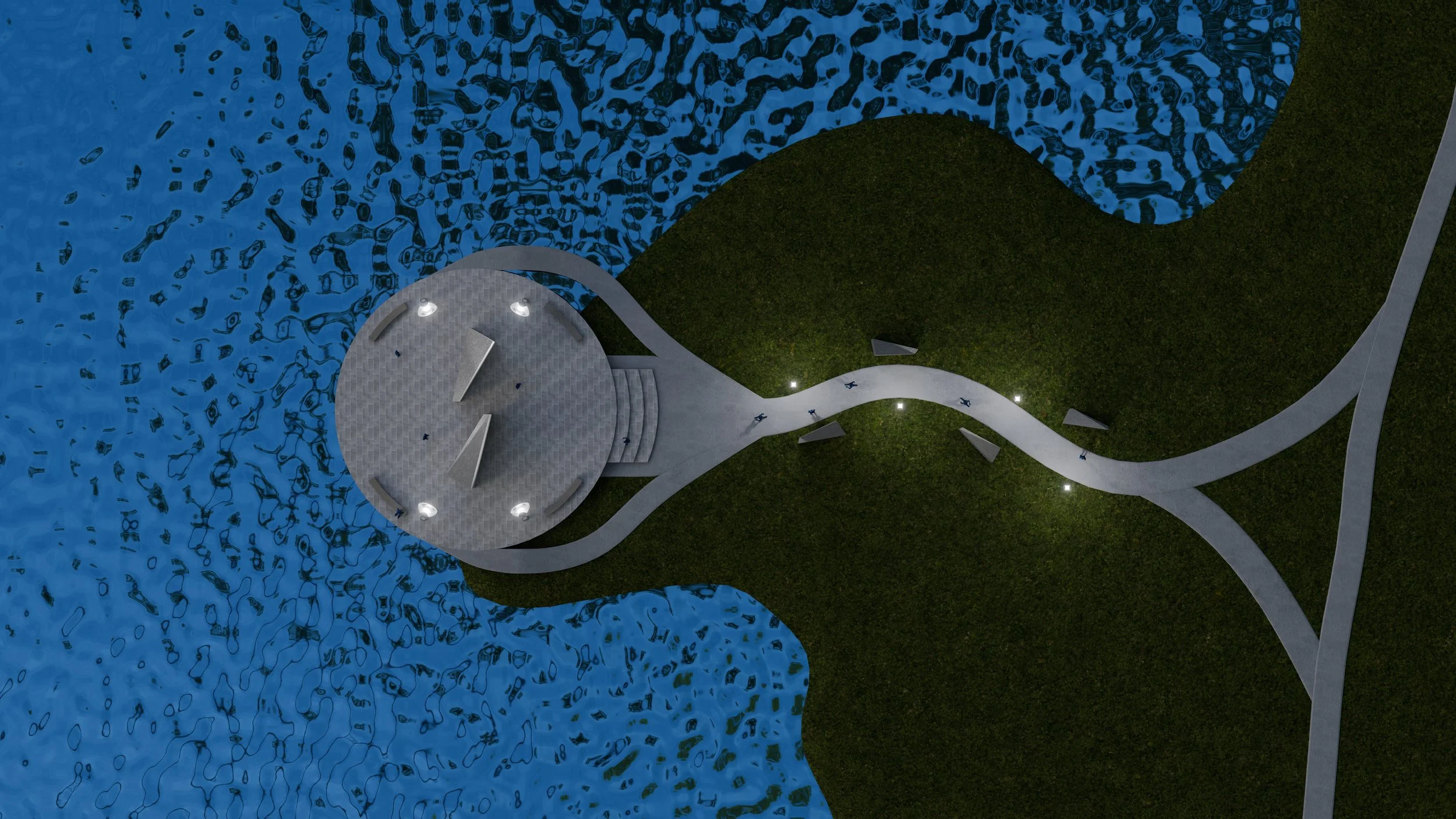
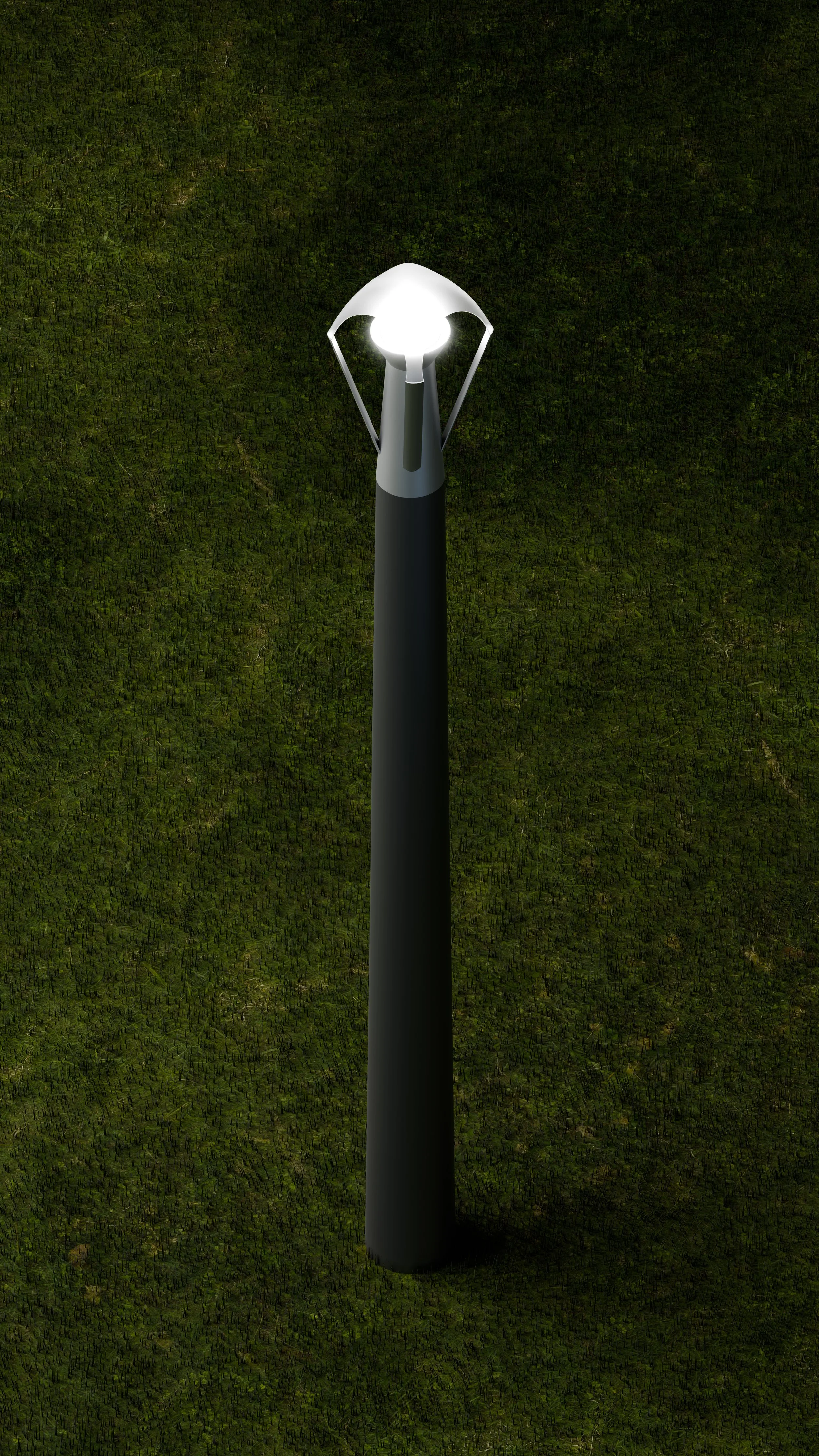
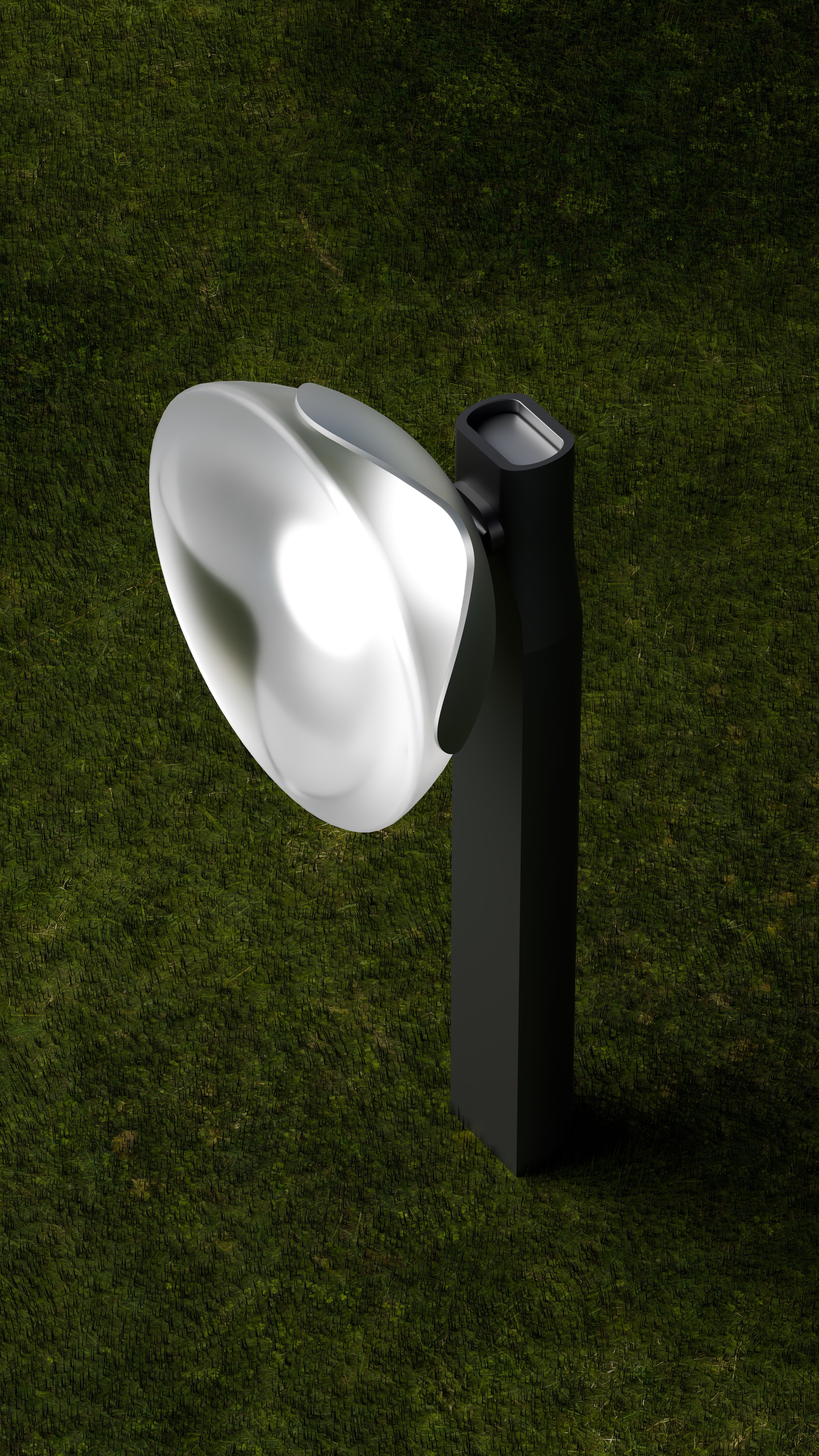
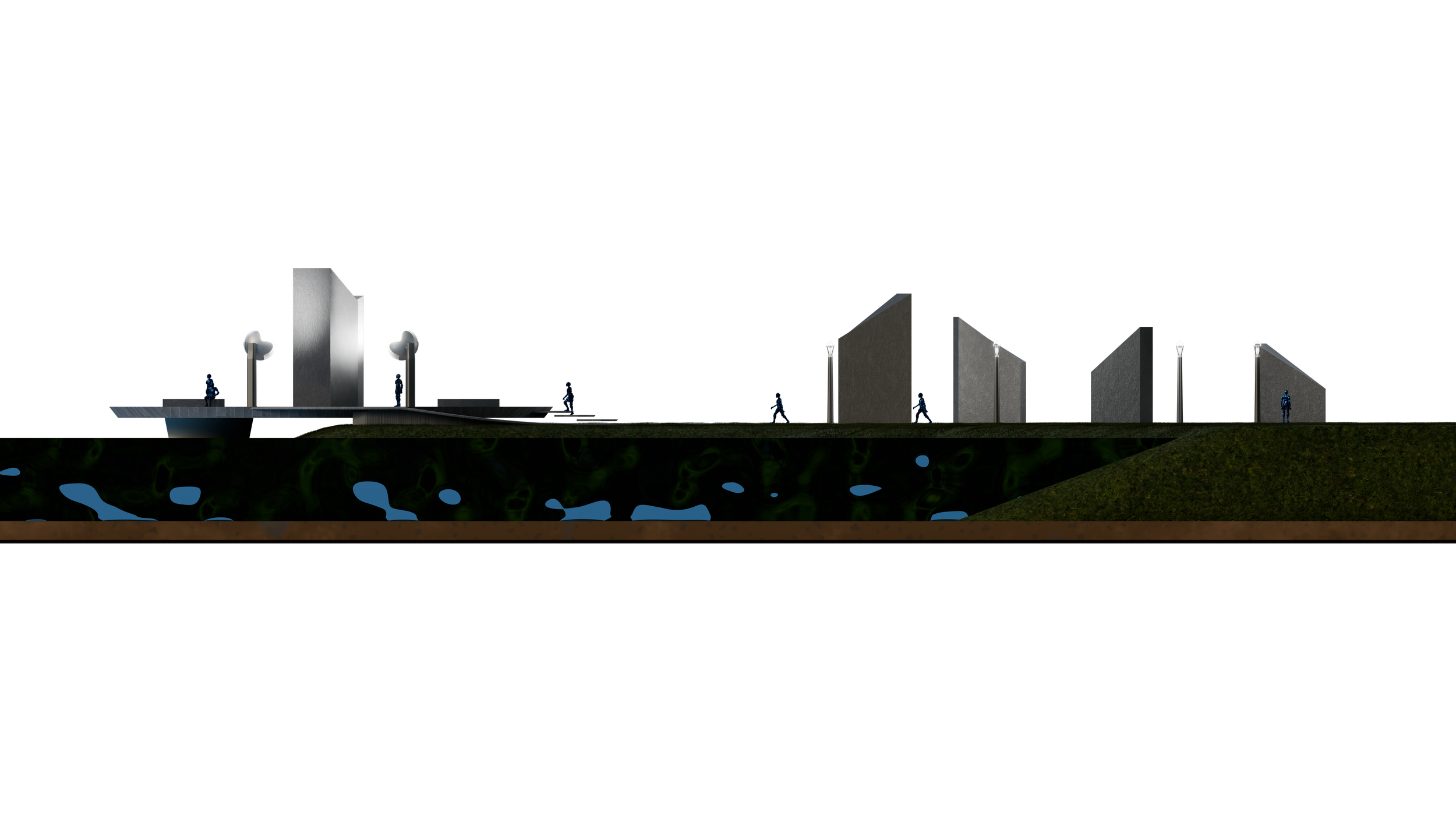
There were moments of struggle for Frederick Douglass and his wife Anna, but ultimately, their journey led to success. I want to represent this triumph through the use of light , as a symbol of hope and achievement in the monument. My idea is to create a pathway of dimmed light leading from the entrance to the monument, gradually brightening to illustrate Douglass’s life journey from hardship to triumph.
Rezvan